There’s a phrase climate scientists like to use: if climate change is the shark, water is its teeth.
It means that for most people, climate change doesn’t arrive as a temperature number. It arrives as water. Too little of it. Too much of it. Too dirty. Too salty. In the wrong place, at the wrong time.
Kenya has lived every version of that in the last few years.
Too little
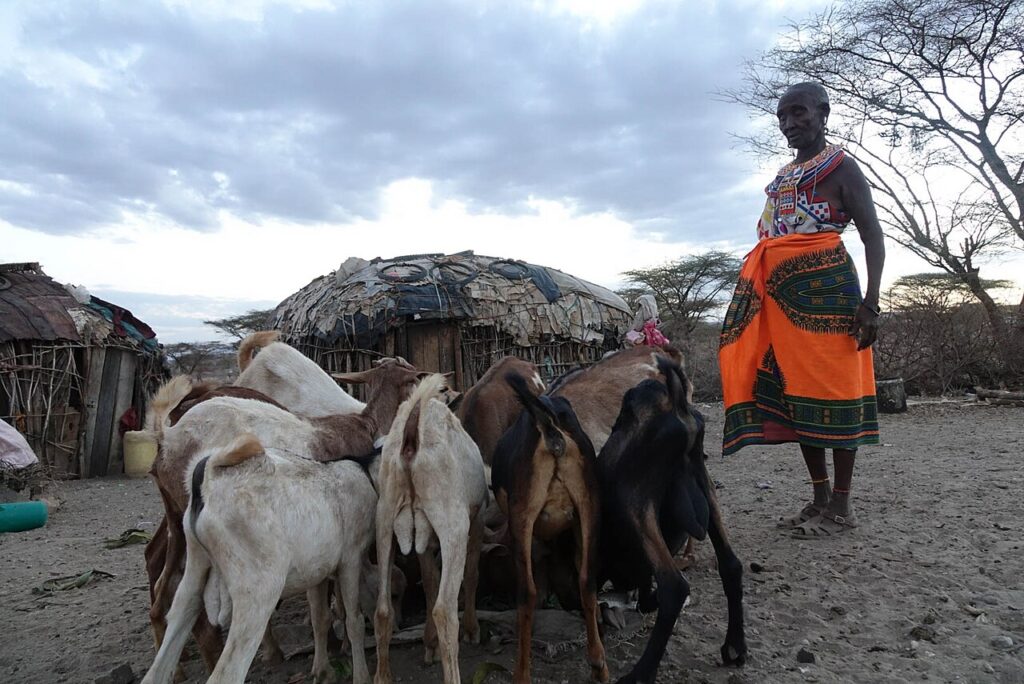
Between 2020 and 2023, the Horn of Africa endured one of its worst droughts in decades, with several consecutive rainy seasons failing. Northern and eastern Kenya were hit hard. Pastoralist families watched their herds die. Water points dried up. Children dropped out of school as families moved in search of water and pasture.
For pastoralist communities, livestock isn’t just income. It’s savings, insurance, identity and social life. Losing a herd can mean losing a generation of wealth.
Too much
Then the pendulum swung. Heavy rains and floods followed, and in the March to May long rains of 2024, flooding swept through parts of the country, including Nairobi’s informal settlements along its rivers. Nearly 300 people died nationally and hundreds of thousands were displaced. Near Mai Mahiu, a surge of water through a blocked culvert devastated a village in the early hours of the morning.
Drought, then flood. This whiplash is one of the signatures of a changing climate: dry spells get drier, heavy rains get heavier, and the swing between them gets harder to manage.
Water connects everything
When you follow water, you find almost every other development issue.
- Food: most farming in Kenya is rain-fed. When the rains shift, harvests fail.
- Health: floods spread waterborne diseases like cholera. Droughts reduce access to safe drinking water.
- Energy: hydropower depends on river flows into the dams of the Tana and elsewhere.
- Gender: women and girls often carry the burden of collecting water, walking further in dry years.
- Peace: scarcity can intensify competition between communities over water and pasture.
Solutions that work
The good news is that Kenya has a deep well of solutions, many of them community-led.
Protecting the water towers. Forests like the Mau, Aberdares, Mount Kenya, Cherangani and Mount Elgon are the sources of the rivers that millions depend on. Restoring and protecting them is water policy.
Sand dams and rainwater harvesting. In counties like Makueni and Kitui, sand dams built across seasonal rivers store water in the sand, where it’s protected from evaporation and stays cleaner. Rooftop tanks and water pans capture rain for the dry months.
Wetland restoration. Wetlands act as sponges, absorbing floodwater and releasing it slowly. Protecting them, rather than building over them, reduces flood damage.
Early warning systems. Forecasts are improving. The challenge is turning them into local, actionable warnings that reach people in time. I’ve written about that last mile of early warning.
Smarter water management. Water committees, metering, catchment management and fair allocation between users all matter.
How to tell water stories
Water stories can be some of the most powerful in climate communication. Here’s how I approach them.
Start with a glass of water. Where did the water in your glass come from? A river? A borehole? A tank? Follow it back to its source.
Follow a river. From forested source to farmland to city to sea. Every stage tells a story.
Feature the people who manage water. County water officers, water committee chairs, engineers, sand dam builders. They’re the protagonists.
Make the invisible visible. Groundwater, wetlands and catchments are hidden. Maps, aerial images and simple diagrams help.
Hold both the crisis and the solutions. Show the drought and the sand dam. The flood and the restored wetland.
On World Water Day
If you’re running a campaign or event today, choose one water story from your own community and tell it well. It will do more than a hundred generic posts.
If you’re hosting a water, WASH or climate adaptation event, I’d love to help shape the conversation as a moderator or speaker. Read more climate storytelling articles.
Frequently asked questions
How is water linked to climate change?
Most climate impacts reach people through water: droughts, floods, storms, rising seas and changing rainfall that affect food, health and energy.
What are water solutions in Kenya?
Protecting water towers like the Mau Forest, rainwater harvesting and sand dams, wetland restoration and early warning systems.
Cover photo: Brooke Bierhaus via Wikimedia Commons (CC BY-SA 4.0)

Impact communications strategist and climate storyteller. Managing Director of Reznick Communications and Founder & CEO of WeAreTELL.