There is a moment that happens at every COP, usually on the first Friday evening, when the mood inside the venue changes.
The opening speeches are over. The world leaders have flown home. The cameras have thinned out, the pavilions are quieter, and the negotiators, the people who actually write the text, look up from their laptops and realise how much is still in square brackets.
That moment arrived in Antalya this weekend.
The view from the outside: money, and lots of it
If you only followed COP31 through press releases, you’d think the first week was a triumph.
Türkiye, the host, announced more than US$26 billion in green investment partnerships. The biggest piece was a US$15 billion renewable energy agreement with China. The European Bank for Reconstruction and Development set out plans to invest US$6 billion over five years, and a further US$5.1 billion came through agreements with development banks.
Development finance institutions from the UK, Canada and Norway (British International Investment, FinDev Canada and Norfund) said they aim to mobilise US$10 billion by 2030.
The Asian Development Bank and the Green Climate Fund, working with the Cook Islands and Palau, are mobilising more than US$1 billion for 14 Pacific island communities.
Philanthropies pledged around US$480 million to tackle methane and other “super pollutants”, the short-lived gases that heat the planet far faster than carbon dioxide.
And 180 companies, with combined revenues of US$1.69 trillion, backed a pledge for electricity to make up 35% of global final energy use by 2035.
More than 100 heads of state and government came through for the leaders’ segment on 11 and 12 November. They gave speeches, signed things and left.
The view from the inside: a mountain of unfinished business
Now walk down the corridor to the negotiating rooms.
Australia’s Chris Bowen, who is leading the negotiations under COP31’s unusual shared presidency with Türkiye, gave a candid assessment at the end of the week. He called it constructive, but said important issues remain unresolved, with more than 100 agenda items and around 60 significant mandates still open.
Sixty mandates. Seven days.
Bowen’s plan is a presidency-led decision developed through the conference: a single political text that ties the big threads together. That’s a familiar COP technique. It’s also a high-wire act, because a text that tries to please everyone can easily end up pleasing no one.
The four fights that will decide Antalya
1. Adaptation finance. This is the one African negotiators care about most. At COP30 in Belém, countries called for at least tripling adaptation finance by 2035. In Bonn in June, a bracketed reference to that call became the centre of a standoff, with some developed countries resisting. The Global Goal on Adaptation arrived in Antalya without agreed text. If week two ends without a clear signal on adaptation money, the African Group will call it a failure, and they’ll have a point.
2. Climate finance delivery. Developed countries reported a record US$136.7 billion in climate finance for 2024. Developing countries respond that records are measured against an old target, and that the new goal of US$300 billion a year by 2035, with a wider ambition of US$1.3 trillion, needs a credible delivery plan. Expect sharp words about Article 9.1 of the Paris Agreement, which sets out developed countries’ finance obligations.
3. Just transition. Bonn produced one of the few bright spots of 2026: a package of texts on the just transition mechanism launched at COP30. Antalya has to make it operational. It sounds technical. It decides whether workers and communities in fossil-fuel-dependent economies get real support or just warm words.
4. Fossil fuels. The question that never goes away. A large coalition pushed for a fossil fuel transition roadmap in Belém, and it didn’t make the final text. Whether Antalya returns to it, and how, will be one of the clearest signals of ambition.
Why the money headlines and the negotiating rooms feel like different conferences
Here’s something people outside the climate world often don’t realise. Almost everything announced in week one, the billions, the partnerships, the pledges, is outside the formal negotiations.
These are voluntary initiatives by governments, banks, companies and philanthropies. They matter, sometimes enormously. But they are not what nearly 200 countries agree together in the final decision, and they don’t bind anyone.
The real test of COP31 is what ends up in the negotiated text when the gavel comes down.
What Africa is walking into week two with
For African delegations, Antalya carries a particular weight. Next year, COP32 comes to Ethiopia, the first COP on African soil since Sharm el-Sheikh in 2022. What happens in Antalya on adaptation, finance and loss and damage sets the table for a conference Africa will host.
There’s also the matter of the Fund for responding to Loss and Damage. Its first funding round drew requests of roughly US$2–3 billion against about US$250 million available, with African countries submitting the largest share. Replenishment is going to be a pressure point, whether or not it’s on the formal agenda.
How I’d talk about week one
If you’re communicating COP31 to your audience, resist two temptations.
The first is to repeat the billion-dollar headlines as if they were the outcome. They aren’t.
The second is to declare the conference a failure because the texts are bracketed on day six. They’re always bracketed on day six.
Instead, tell people what’s at stake, who’s pushing for what, and what to watch. Something like: “The announcements are big. The deal isn’t done. The fight is over whether communities facing floods and droughts get the adaptation money they were promised.”
That’s honest, it’s specific, and it gives people a reason to care about week two.
The conference is scheduled to close on 20 November. If COP history is any guide, that’s a suggestion rather than a deadline.
Follow more climate policy explainers, or read my guide to the road to Antalya. And if you’re planning a post-COP debrief and need a moderator who speaks negotiation fluently, get in touch.
Frequently asked questions
What was announced in COP31’s first week?
Investment and finance announcements included more than US$26 billion in green investment partnerships announced by Türkiye and philanthropic pledges on methane and super pollutants.
Are COP announcements the same as negotiated outcomes?
No. Announcements are pledges made around the summit. Negotiated outcomes are decisions agreed by all countries.
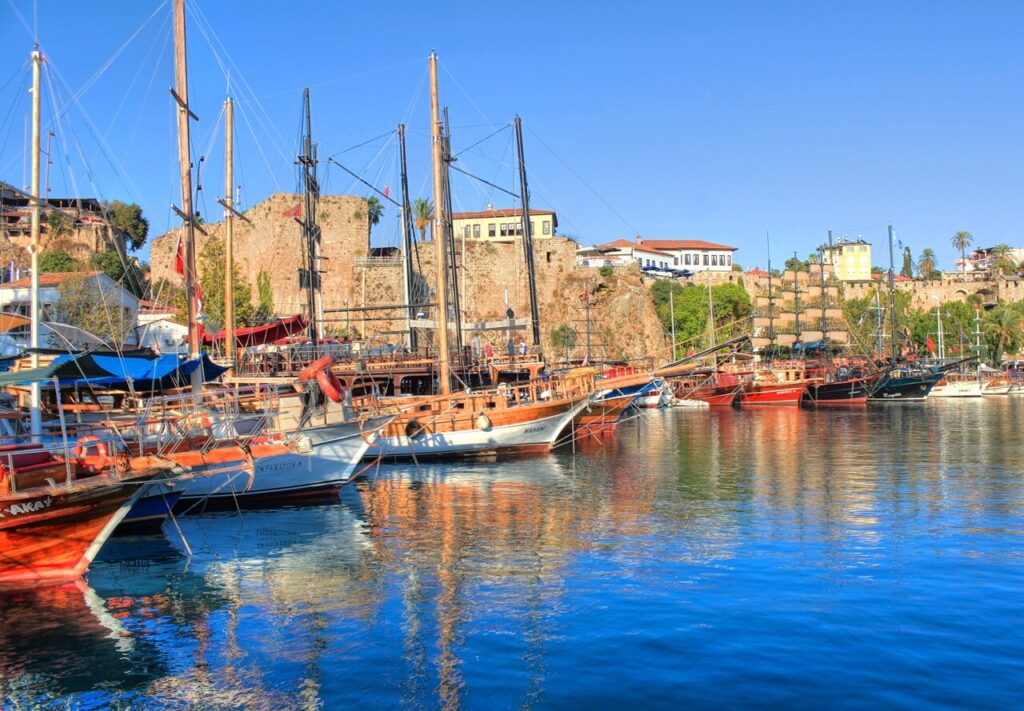
Cover photo: Omer Unlu from Ankara, Turkey via Wikimedia Commons (CC BY 2.0)

Impact communications strategist and climate storyteller. Managing Director of Reznick Communications and Founder & CEO of WeAreTELL.