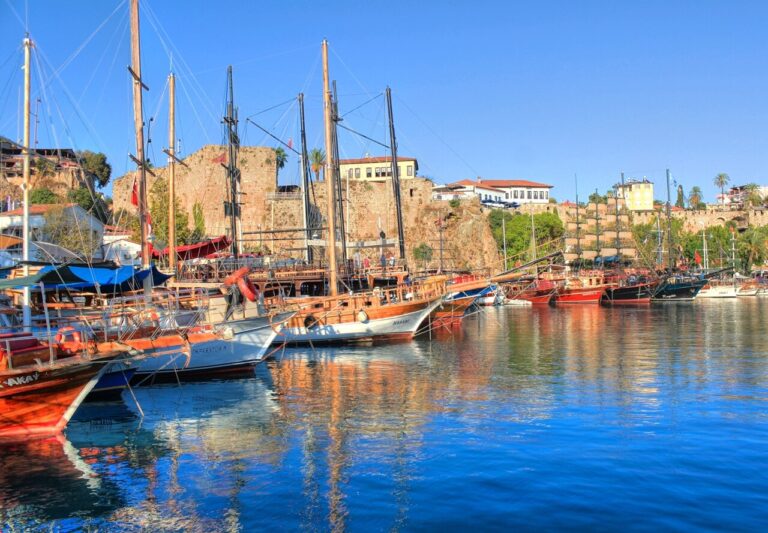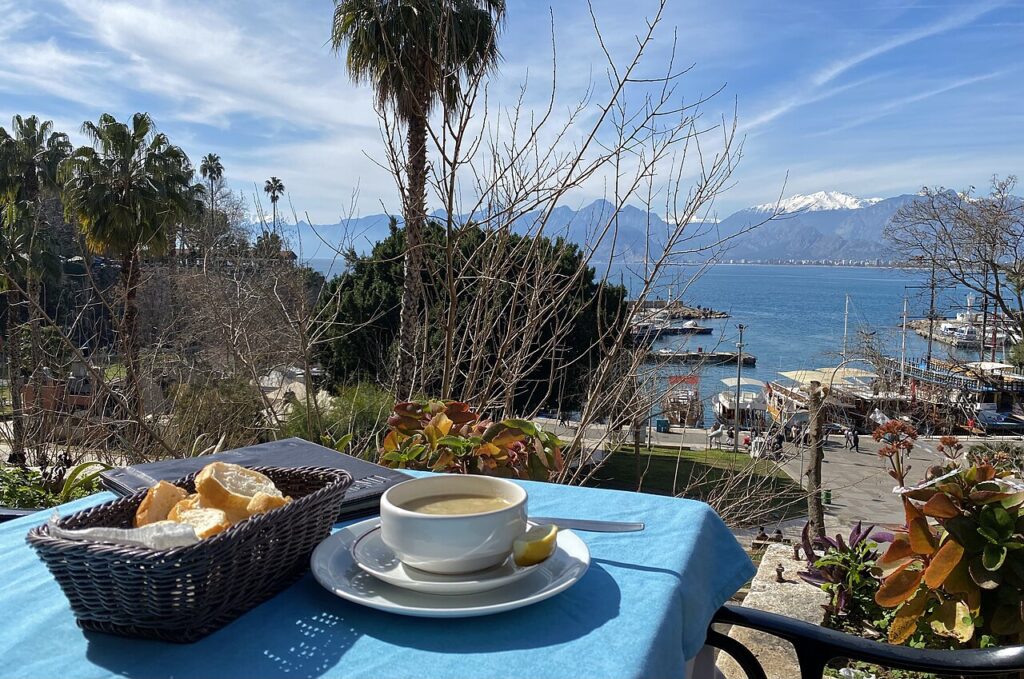
On Monday morning, on Türkiye’s Mediterranean coast, a gavel came down and the world’s most complicated negotiation began again.
Close to 200 countries. Tens of thousands of delegates, observers, journalists, activists and business leaders. Two weeks, ending on Friday 20 November. One very old question: who does what, and who pays?
Welcome to COP31.
A presidency unlike any before it
Usually one country runs a COP. Antalya is different.
Türkiye’s Environment Minister, Murat Kurum, took the gavel as COP31 President. But the negotiations themselves are being led by Australia’s Climate Change and Energy Minister, Chris Bowen, under a co-presidency arrangement agreed at COP30 in Belém after Türkiye and Australia both bid to host. A pre-COP was linked to the Pacific.
It’s an experiment. Supporters say it brings together a host with convening power and a negotiator with deep experience of the issues. Sceptics wonder who has the final word when it gets tense at 3am on the last night. We’ll find out.
The first fight: money
It didn’t take long. Finance emerged as the main sticking point almost immediately.
Developing countries arrived with a clear message: access to adaptation finance is too slow, too complicated and too small, and the money for clean development isn’t flowing at the scale promised. Major contributors arrived pointing to tight budgets at home.
This is not new. But the context is sharper than ever. The United States has left the Paris Agreement. Development budgets in several donor countries were cut in 2025. And the Fund for responding to Loss and Damage has just shown how big the gap is, with roughly ten times more requests than money in its first funding round.
Health takes the stage
The first day was themed around food, agriculture and health, and it delivered one of the most sobering statistics of the conference so far.
According to the World Health Organization, between 3.3 and 3.6 billion people live in areas highly vulnerable to climate change. That’s close to half of humanity.
The presidency launched the Antalya Initiative for Health Resilience, aimed at helping health systems withstand climate shocks: heatwaves that overwhelm hospitals, floods that knock out clinics, droughts that drive malnutrition.
There was also a reminder from Latin America of what those shocks look like. Bolivia’s drought has led to a national emergency, with official figures counting more than 75,000 livestock dead and more than 114,000 families affected.
If you’ve ever wondered why health ministers are increasingly showing up at climate summits, this is why.
Electrification gets its moment
One of the more interesting early themes was electricity. A 35-by-35 Global Electrification Pledge aims for electricity to make up 35% of global final energy consumption by 2035, and a coalition of 180 companies came out in support.
Why does this matter? Because electrifying transport, cooking, heating and industry, and powering that electricity with renewables, is one of the most practical paths to cutting emissions. For Africa, where hundreds of millions of people still lack reliable power, it’s also a development story.
What to watch this week
Adaptation. The Global Goal on Adaptation arrived without agreed text after a difficult Bonn session in June. African negotiators want a clear commitment on adaptation finance, including COP30’s call to at least triple it by 2035.
The just transition mechanism. Bonn made progress. Antalya needs to make it real.
The leaders’ segment. Heads of state arrive mid-week. Watch for announcements, and remember that announcements aren’t negotiated outcomes.
The second global stocktake. COP31 begins the next five-year review of the world’s collective progress, which will run to 2028.
A note on how to follow a COP without losing your mind
COPs are designed to overwhelm. There are hundreds of side events, dozens of negotiating tracks and a news cycle that changes by the hour.
My advice: pick two or three issues and follow them properly. Follow negotiators and journalists from your own region. Read the draft texts, not just the headlines. And don’t declare victory or defeat until the final plenary.
Day one is about positioning. The real story will be written in the second week.
I’ll be sharing reflections as COP31 unfolds. Read the week one wrap, my road to COP31 guide and the COP glossary if the acronyms start piling up.
Frequently asked questions
Who is the COP31 President?
Türkiye’s environment minister Murat Kurum is COP31 President, while Australia’s Chris Bowen leads the negotiations.
What were the early issues at COP31?
Finance emerged as the main sticking point, alongside adaptation, just transition, health and electrification.
Cover photo: Sharon Hahn Darlin via Wikimedia Commons (CC BY 2.0)
Impact communications strategist and climate storyteller. Managing Director of Reznick Communications and Founder & CEO of WeAreTELL.