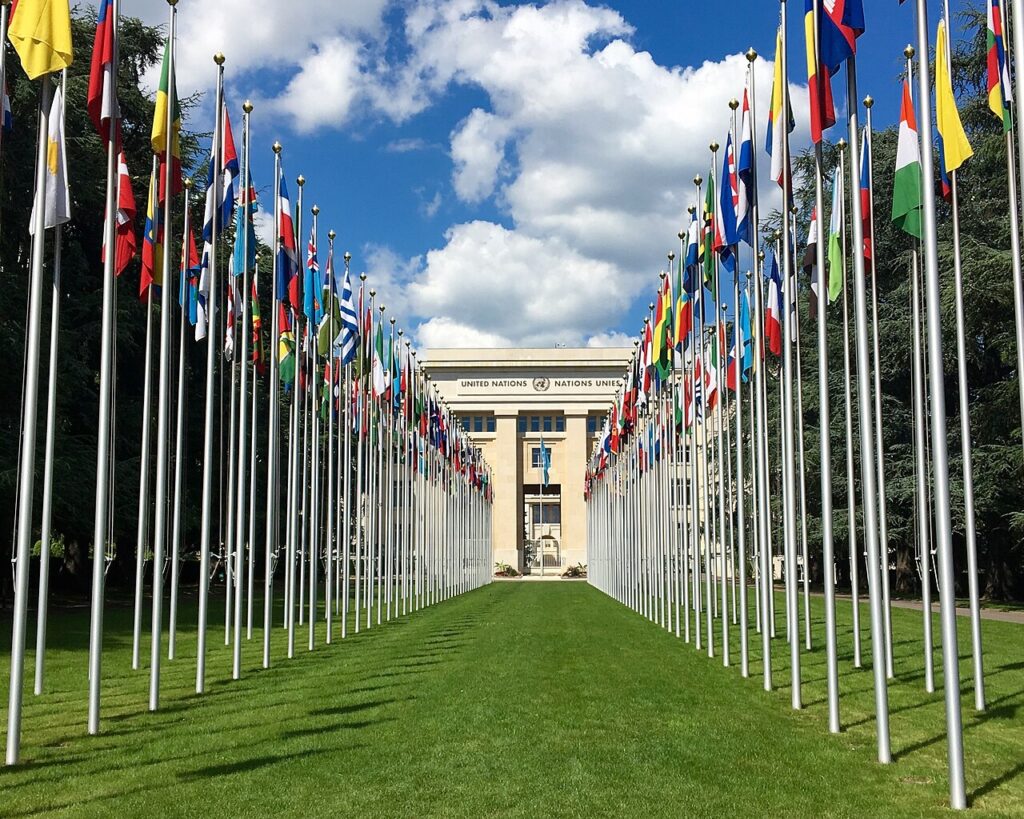
On 7 February 2026, delegates from around the world filed into a meeting room in Geneva for one of the strangest sessions in recent environmental diplomacy.
It lasted one day. It had one job. No treaty text would be negotiated. No breakthroughs were expected. The only item that really mattered was choosing who would lead what comes next.
By the end of the day, the plastics treaty had a new chair: Julio Cordano of Chile.
How we got here
To understand why this one-day session mattered, you need the backstory.
In March 2022, the UN Environment Assembly in Nairobi agreed to negotiate a legally binding global treaty to end plastic pollution. It was hailed as the most significant environmental agreement since Paris. The target was to finish negotiations by the end of 2024.
Then things went wrong.
Busan, late 2024. The fifth round of negotiations ended without a deal. Countries agreed to resume.
Geneva, August 2025. Ten days of talks, from 5 to 15 August, ended again without agreement. Many delegates left visibly frustrated.
Late 2025. The chair who had steered the talks, Ecuador’s Luis Vayas Valdivieso, resigned.
The process needed a reset. February’s session was that reset.
Who is Julio Cordano?
Cordano is a senior Chilean diplomat who directs environment, climate change and oceans work at Chile’s Ministry of Foreign Affairs. Chile has positioned itself as an ambitious voice on ocean and plastics issues, which gives him credibility with the countries pushing for a strong treaty.
Alongside him, Linroy Christian of Antigua and Barbuda was chosen as vice-chair, bringing a small island state’s perspective to the leadership.
Cordano said he was “willing and determined” to help the committee cross the finish line.
The problem he inherits
The core divide hasn’t moved.
On one side is a large group of countries, including many African states, small island nations, Latin American countries and the EU, that wants a treaty covering the full life cycle of plastic: production, product design, harmful chemicals, waste and pollution.
On the other side is a smaller group, many of them oil and petrochemical producers, that wants a treaty focused on waste management and recycling, without limits on production.
Because the talks operate by consensus, a determined minority has been able to block agreement.
The consensus question
This is the issue to watch. Many civil society groups and some governments argue that the consensus rule is being used to hold the majority hostage. Some have suggested that decisions could be taken by vote, which is procedurally possible in some UN processes but politically explosive.
How Cordano handles this, whether he pushes for votes, finds a creative compromise or tries a different structure, will shape whether there’s ever a treaty at all.
Why Africa cares
African countries have been among the strongest voices for an ambitious treaty, and for good reason.
Africa produces relatively little plastic but receives a growing flood of it through imports, packaging and waste trade. Cities struggle with clogged drains that worsen flooding. Open burning of plastic waste harms people’s lungs. Fishing communities pull plastic from their nets.
Many African countries have acted alone. Kenya banned single-use plastic carrier bags in 2017 and single-use plastics in protected areas in 2020. But national bans can only do so much against a global supply chain.
How to keep audiences engaged
Plastics treaty fatigue is real. After two failed rounds, many people have stopped paying attention. Here’s how I’d keep the story alive:
Focus on stakes, not process. People don’t care about procedural rules. They care about plastic in their rivers, food and bodies.
Make it local. Show what plastic does in your community: the drain in your estate, the beach you swim at, the dumpsite near your school.
Name names. Accountability requires specificity. Which countries are pushing for ambition? Which are blocking it?
Follow the new chair. Leadership changes create new narratives. Cordano’s first moves will tell us a lot.
I’ll keep tracking the plastics treaty. Read my piece on why the Geneva talks collapsed, explore more policy explainers, or invite me to moderate your circular economy event.
Frequently asked questions
Who chairs the plastics treaty negotiations?
Julio Cordano of Chile was elected chair of the Intergovernmental Negotiating Committee in Geneva in February 2026, with Linroy Christian of Antigua and Barbuda as vice-chair.
Why did the plastics talks need a new chair?
After the Geneva round collapsed in August 2025, the previous chair resigned, and countries needed new leadership to restart the process.
Cover photo: Groov3 via Wikimedia Commons (CC0)

Impact communications strategist and climate storyteller. Managing Director of Reznick Communications and Founder & CEO of WeAreTELL.