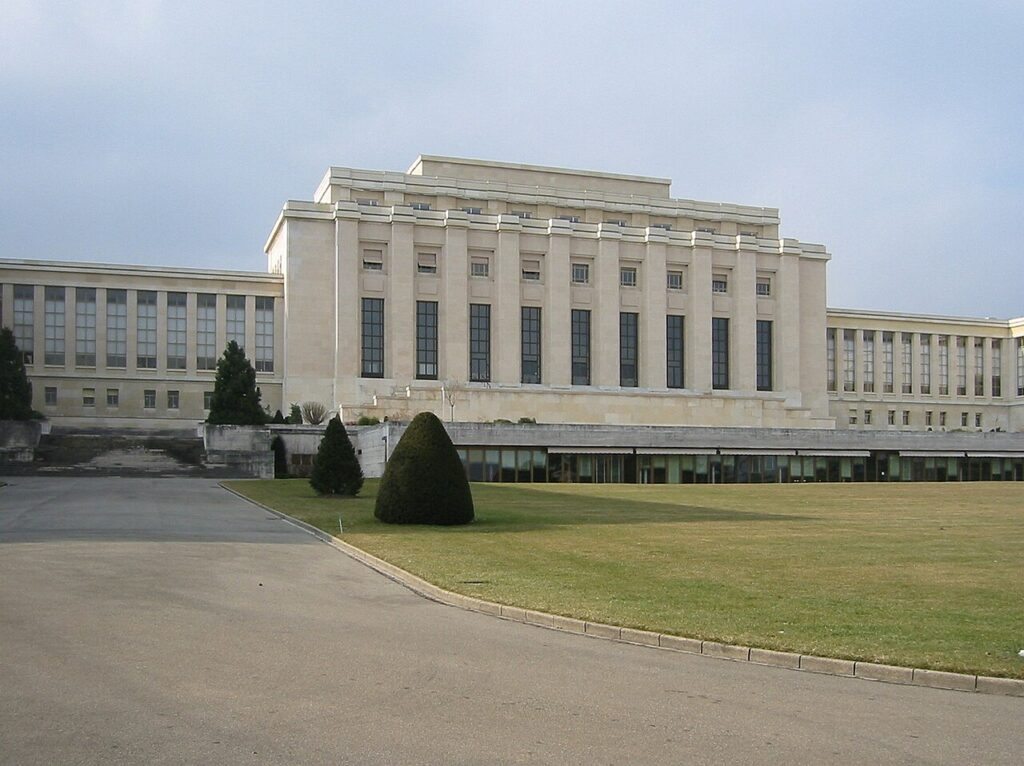
At around dawn on Friday 15 August 2025, after ten days of negotiations and a final all-night session, delegates in Geneva’s Palais des Nations gathered their papers, switched off their laptops and walked out into the morning without a plastics treaty.
It was the second time in under a year. In late 2024, the previous round in Busan, South Korea, had also ended without agreement.
For a treaty that was supposed to be one of the most significant environmental agreements since Paris, two failures in a row is a crisis.
How we got here
In March 2022, at the UN Environment Assembly in Nairobi, countries agreed to negotiate a legally binding global treaty to end plastic pollution. It was a proud moment for Kenya, which hosted the decision. The plan was to finish by the end of 2024.
Busan blew that deadline. Geneva was supposed to fix it.
The divide
The core split is easy to describe and very hard to bridge.
The ambitious coalition. A large group of countries, including many African states, small island nations, Latin American countries and the EU, wants a treaty that tackles the whole life cycle of plastic: how much is produced, how products are designed, the harmful chemicals they contain, and how waste is managed.
The waste-focused group. A smaller group of countries, many of them major oil and petrochemical producers, wants a treaty focused mainly on waste management and recycling, without limits on how much plastic is made.
Why the difference? Plastic is made from fossil fuels. As the world shifts away from oil and gas for energy, petrochemicals, including plastics, are expected to become a bigger source of demand for fossil fuel producers. Capping plastic production threatens that future market.
The consensus trap
UN environmental negotiations typically work by consensus. That sounds democratic, and in principle it protects every country’s voice. In practice, it can allow a determined minority to block an agreement that most countries want.
That’s essentially what happened in Geneva. Many observers and delegations argued that consensus was being used to hold the majority hostage.
Why African countries care so much
Africa produces relatively little plastic but receives a growing flood of it, through imported goods, packaging and the waste trade.
The consequences are visible everywhere: plastic clogging drains in Nairobi and Lagos and worsening urban floods; open burning of waste harming people’s lungs; plastic in rivers, lakes and the ocean, and in the fish that coastal communities eat.
A waste-only treaty would leave African countries managing the consequences of production decisions made elsewhere. That’s why African negotiators have been among the strongest voices for ambition.
The communications lesson
Coverage of plastics talks tends to swing between “historic breakthrough” and “total failure”. Both lose audiences. A better approach:
Explain the stakes simply. This is about how much plastic the world makes, not just where it ends up.
Name the blocs. “Countries failed” lets everyone off the hook. Accountability needs specificity.
Keep the door open. Negotiations will continue. Public pressure shapes them.
Bring it home. Show what plastic does in your city, your river, your coastline.
What comes next
The process needs a way forward, and possibly new leadership. Some countries are already discussing whether ambitious nations should push ahead differently if consensus remains impossible.
Meanwhile, national action doesn’t have to wait. Kenya’s bans on plastic bags and on single-use plastics in protected areas show what’s possible.
I’ll keep tracking the treaty. Read more on climate and environment policy and explore my work as a climate communicator.
Frequently asked questions
Why did the Geneva plastics treaty talks fail?
Countries were split between a large coalition wanting the treaty to cover the full life cycle of plastic, including production, and a smaller group wanting a focus on waste and recycling. Consensus rules let the minority block agreement.
Are plastics treaty negotiations over?
No. Negotiations continue under a new chair, Julio Cordano of Chile, elected in February 2026.
Cover photo: Yann Forget via Wikimedia Commons (CC BY-SA 3.0)

Impact communications strategist and climate storyteller. Managing Director of Reznick Communications and Founder & CEO of WeAreTELL.