Some diplomatic victories arrive with fireworks. This one arrived with a count.
Fifty-eight. Fifty-nine. Sixty.
In September 2025, the Agreement on Marine Biodiversity of Areas Beyond National Jurisdiction, the High Seas Treaty, reached the 60 ratifications required to enter into force. Under its rules, it becomes international law 120 days later, in January 2026.
For people who have spent their careers fighting for ocean protection, this was an extraordinary week. For most of the world, it barely registered. Let me try to explain why it should.
Half the planet, almost no rules
Here’s a fact that surprises most people. The ocean beyond any country’s control, known as the high seas, covers roughly two-thirds of the ocean and nearly half the surface of the Earth.
Until now, there was no comprehensive legal framework to:
- Create marine protected areas in those waters.
- Assess the environmental impacts of new activities before they happen.
- Share the benefits of marine genetic resources discovered there.
Fishing, shipping and seabed mining each had their own bodies and rules. But nobody was responsible for protecting the ocean’s life as a whole. It was, in the words of many advocates, the largest “lawless” place on the planet.
Why it took so long
Talks to protect high seas biodiversity began at the UN in the early 2000s. For nearly two decades, they ran into the same walls: who owns the genetic resources found in the deep sea? Who pays? Who decides where protected areas go? How do you respect existing bodies that regulate fishing and shipping?
In March 2023, after a final marathon negotiating session in New York, delegates finally agreed the text. Then came the slow work of getting governments to ratify, which often requires parliamentary approval and domestic legislation.
The UN Ocean Conference in Nice in June 2025 gave the process a major push, with a wave of new ratifications and commitments. By September, the threshold had been crossed.
What the treaty will do
Marine protected areas on the high seas. For the first time, a global process to create protected areas in international waters. This is essential to the “30 by 30” target to protect 30% of land and sea by 2030.
Environmental impact assessments for activities that could harm marine ecosystems.
Fair sharing of benefits from marine genetic resources, the compounds in deep-sea organisms that could become new medicines or materials. Developing countries, long excluded from deep-sea science, will have a stake.
Capacity building and technology transfer, so countries like Kenya can participate fully in ocean science and governance.
Why this matters to East Africa
The western Indian Ocean is one of the world’s most important marine regions. Tuna fisheries sustain coastal economies. Turtles nest on beaches from Lamu to Diani. Whales migrate along the coast. Coral reefs support tourism and fishing.
Many of these animals spend part of their lives in international waters. Protecting the high seas helps protect the fish and wildlife that East African coastal communities depend on.
A story worth celebrating, carefully
In a year when plastics talks stalled and the United States announced its exit from the Paris Agreement, the High Seas Treaty is proof that global cooperation can still deliver. That’s worth amplifying.
But be careful not to overclaim. Ratification is a milestone, not a finish line. Implementation, funding and enforcement are the next battles. And some major ocean-using countries haven’t yet joined.
How to tell ocean stories people care about
The high seas are hard to picture. Nobody lives there. Try:
Follow an animal. A green turtle or a humpback whale crossing borders makes the high seas tangible.
Connect to food. Fish caught on the high seas end up on plates around the world.
Use the frontier frame. “One of the last places on Earth without rules” is a hook people remember.
Show the deep. The strange, beautiful creatures of the deep sea capture imaginations like little else.
I’ll be writing more when the treaty enters into force in January. Explore more climate and environment articles, read my reflections on the UN Ocean Conference in Nice, or book me as a moderator for your ocean event.
Frequently asked questions
What is the High Seas Treaty?
The Agreement on Marine Biodiversity of Areas Beyond National Jurisdiction (BBNJ), which creates rules to protect marine life in international waters, including marine protected areas and impact assessments.
When did the High Seas Treaty enter into force?
It reached 60 ratifications in September 2025 and entered into force on 17 January 2026.
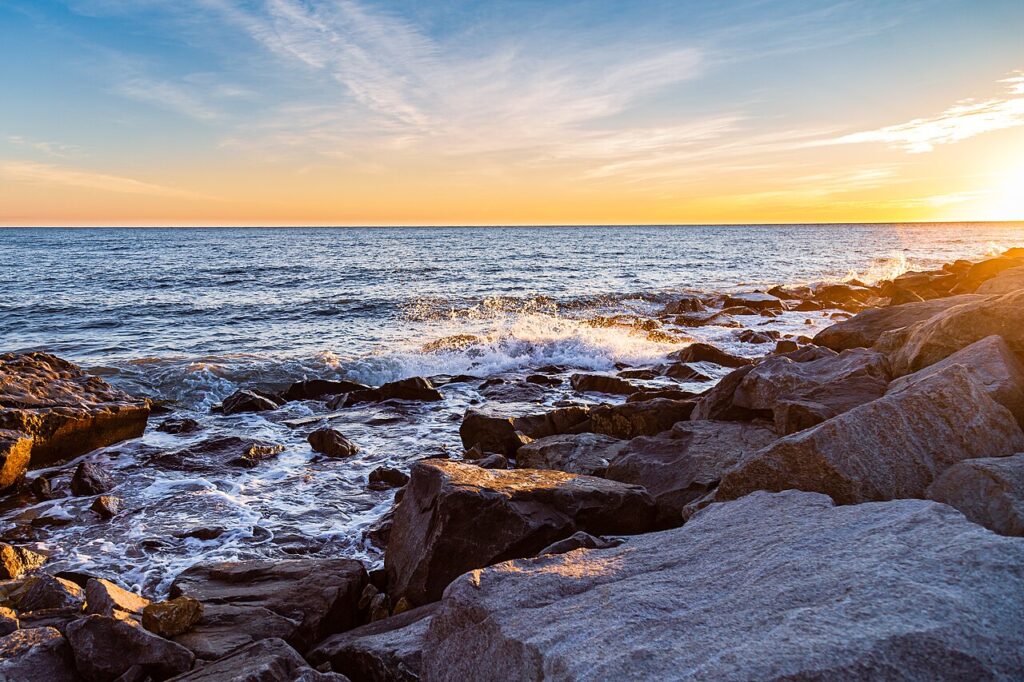
Cover photo: Andrew Parlette from Elkridge,MD, US via Wikimedia Commons (CC BY 2.0)

Impact communications strategist and climate storyteller. Managing Director of Reznick Communications and Founder & CEO of WeAreTELL.