Every year, around September, my inbox fills with the same question in different words.
“How do we get a speaking slot at COP?”
“We have amazing work. Why don’t we ever get invited onto the main stage?”
“We applied for a side event and heard nothing. What did we do wrong?”
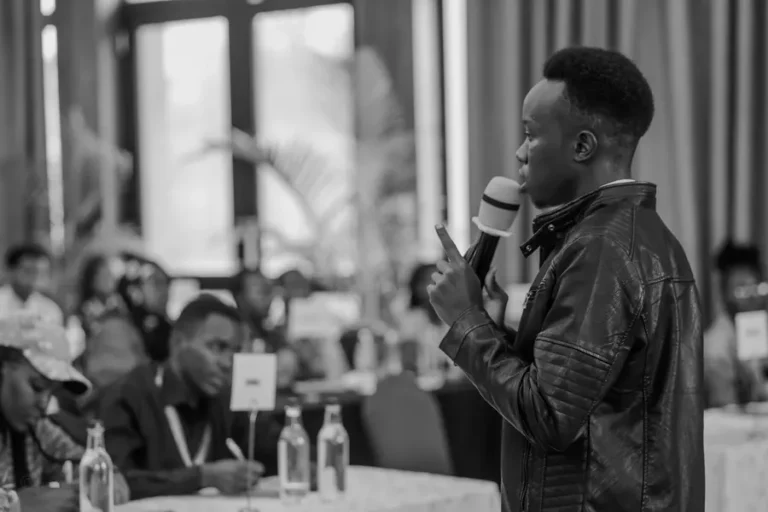
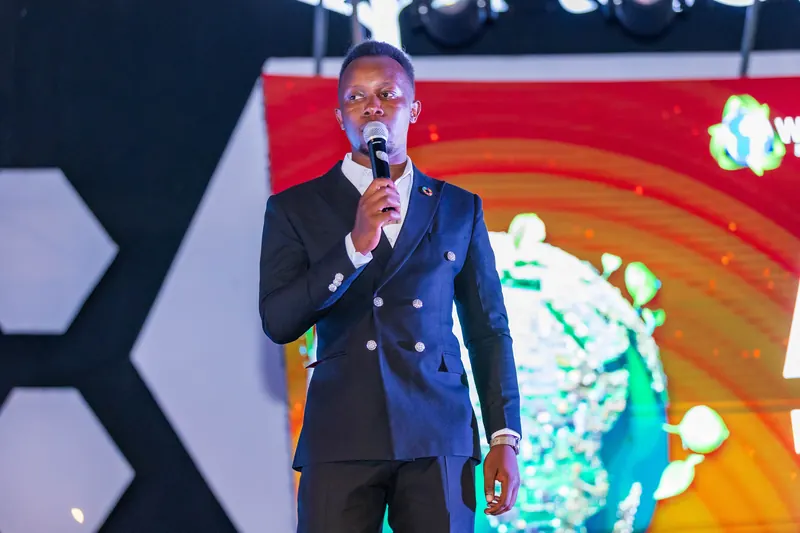
I understand the frustration. I’ve spent years on climate and impact stages as a moderator, MC and speaker, and I’ve seen the process from both sides: from the people applying, and from the organisers and moderators deciding who ends up behind the microphone.
Here’s the honest truth. Getting on stage is rarely about luck. It’s about a handful of things most organisations never think about until it’s too late.
First, understand the market you’re entering
A major COP can host thousands of events across official side-event rooms, country pavilions, UN agency pavilions, thematic hubs and fringe venues across the city. Climate weeks in New York, Nairobi and elsewhere add hundreds more.
That sounds like a lot of opportunity. It is. But each of those stages has an organiser who is drowning in proposals and terrified of one thing: a boring session with an empty room.
When you pitch to speak, you’re not asking for a favour. You’re offering to solve their problem.
1. Have something worth hearing
Organisers aren’t looking for logos. They’re looking for one of three things:
- New evidence: a dataset, an evaluation or research nobody else has.
- A proven solution: something that worked, with numbers to show it.
- A missing perspective: a voice that’s usually absent, such as a county official, a young farmer or a frontline community leader.
If your pitch is “we’d like to share our organisation’s work”, you’re competing with thousands. If your pitch is “we tracked 4,000 households through two failed rainy seasons and can show which interventions kept children in school”, you’re in a different league.
2. Build a speaker profile that makes saying yes easy
When an organiser shortlists speakers, they do it fast. Help them:
- A bio in three lengths: about 50, 150 and 300 words.
- A professional headshot, plus a photo of you speaking.
- Three to five topics you speak on, each with a one-line description.
- Links to two or three recordings.
This is exactly what I’ve put on my own press kit page. It’s not vanity. It’s logistics.
3. Learn the calendar
Many conferences open calls for side events and pavilion sessions months ahead. UNFCCC side-event applications usually close well before the summit. Country and agency pavilions often have their own processes and deadlines.
Make a calendar. Apply early. Late applications don’t get read.
4. Partner up, strategically
Joint proposals beat solo ones. A session co-hosted by a research institute, a county government and a youth network is far more attractive than a single organisation talking about itself. It also shares the cost and the promotion.
Look for partners from a different sector or region. Diversity on your proposal reads as seriousness.
5. Start where the competition is lower
The people you see on COP main stages usually didn’t start there. They built a track record at national dialogues, regional forums, university events, county-level convenings and webinars.
Every one of those gives you recordings, references and relationships. Organisers talk to each other. A great performance at a regional forum gets mentioned.
6. Be the panellist every moderator remembers
Here’s a secret from the moderator’s chair: we remember. We remember the speaker who answered in 90 seconds with a story and a number. We remember the one who listened to the person beside them and built on it. We remember the one who ignored the time cards and read a five-minute statement.
When organisers ask us for recommendations, guess who we suggest.
So when you get the slot:
- Know your three key messages cold.
- Prepare an opening line and a closing line.
- Bring one story and one striking number.
- Keep answers short. Leave the audience wanting more, not checking their phones.
- Respect the moderator’s signals.
7. Follow up like a professional
Within 48 hours, thank the organiser and moderator. Share a short summary or a clip on LinkedIn, tagging them. Connect with the people who asked questions.
Most speakers don’t do this. The ones who do get invited back.
A final word
Getting on stage isn’t about being the biggest organisation in the room. It’s about being the most useful voice for that audience, at that moment.
If you want help preparing your spokespeople, or you’re organising an event and need a moderator who’ll make your speakers shine, explore my speaking and moderation work. I’m also building practical training on this through ImpactComms.
Frequently asked questions
How do I get a speaking slot at COP?
Track calls for side events and pavilion sessions early, propose joint sessions with partners, build a clear speaker profile and bring fresh evidence or perspectives.
What makes a panellist get invited back?
Short, insightful answers, a story rather than just statistics, engagement with other speakers and respect for the moderator’s timing.
Cover photo: Blair Reznick / WeAreTELL archive

Impact communications strategist and climate storyteller. Managing Director of Reznick Communications and Founder & CEO of WeAreTELL.