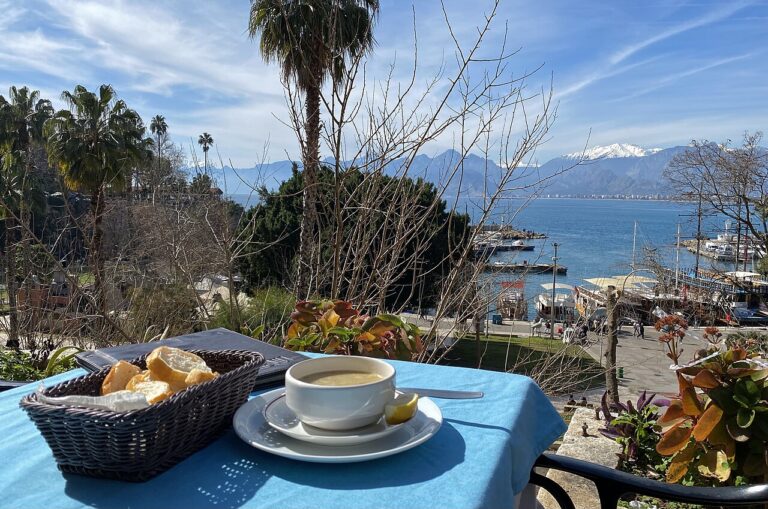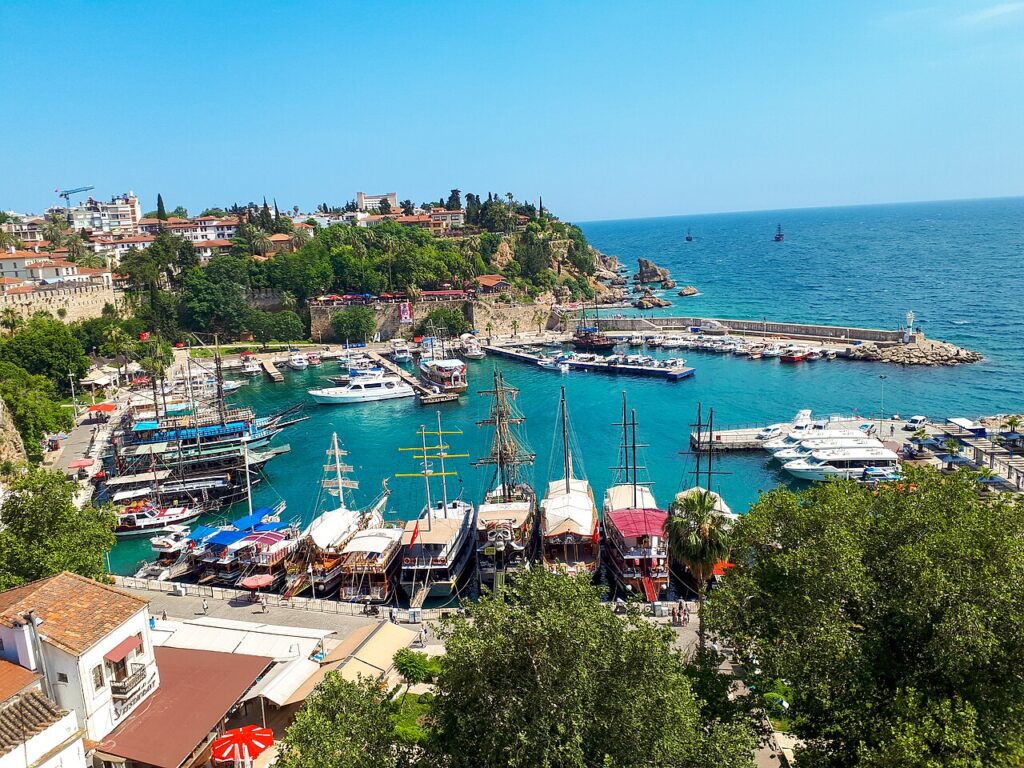
Two weeks from now, about 200 countries will gather on the Turkish Riviera for COP31. Most of the world will hear about it through headlines that say “historic” or “failure”. Neither will tell you very much.
So here’s the backstory, the stakes and the fault lines, in one place.
How Antalya got the summit
Choosing a COP host usually happens quietly. This one didn’t.
COPs rotate between UN regional groups, and 2026 was the turn of the “Western European and Others” group. Two countries wanted it badly. Australia bid to host with Pacific island neighbours, arguing that the region on the front line of sea-level rise deserved a COP. Türkiye bid too, and neither would back down.
For months the decision was stuck. Then, at COP30 in Belém, a compromise emerged that nobody had quite seen before: Türkiye hosts the conference in Antalya and holds the COP presidency, Australia’s climate and energy minister leads the negotiations, and a pre-COP event is linked to the Pacific.
It’s a creative solution. It’s also untested. Two capitals, two political cultures, one gavel.
The six issues that will define COP31
1. Adaptation: the unfinished business
The Global Goal on Adaptation is supposed to give the world a way to track whether people are actually becoming safer from climate impacts. In Belém, countries adopted indicators and called for at least tripling adaptation finance by 2035.
Then came Bonn in June. Negotiators couldn’t agree on text. The sticking point was money: a bracketed reference to that tripling call, which some developed countries opposed. The item was sent to Antalya without agreement.
For African countries, adaptation is not abstract. It’s sand dams in Makueni, early warning systems on the Tana River, drought-tolerant seed in Turkana. This is the issue to watch.
2. Finance: the trust deficit
In Baku in 2024, countries agreed a new climate finance goal: at least US$300 billion a year by 2035, with a broader aspiration of US$1.3 trillion from all sources. Developed countries reported a record US$136.7 billion in 2024.
But developing countries say trust is low. The United States has left the Paris Agreement. Aid budgets have been cut. Expect a push for a dedicated discussion on Article 9.1, which sets out developed countries’ obligations to provide finance.
3. Just transition: from idea to mechanism
Belém created a mechanism to support just transitions, so that workers and communities aren’t left behind as economies change. Bonn agreed a package of texts to keep the work moving. Antalya needs to make it operational.
4. Fossil fuels: the elephant in every room
A large coalition of countries backed a fossil fuel transition roadmap in Belém. It didn’t make the final decision. Will Antalya return to it? How the presidency handles this will be one of the clearest tests of ambition.
5. The second global stocktake
The first global stocktake, concluded at COP28 in Dubai, told the world it was off track. COP31 kicks off the second one, which runs to 2028. Think of it as the Paris Agreement’s five-yearly report card.
6. Loss and damage
The Fund for responding to Loss and Damage opened its first call for proposals in December 2025. By the time it closed in June, requests had reached roughly US$2–3 billion against about US$250 million available. African countries asked for around US$1.4 billion across 81 requests. Replenishment will be a quiet but intense fight.
What Africa needs from Antalya
If I were writing the African Group’s wish list on a napkin, it would read:
- A clear, credible commitment on adaptation finance, with grants, not just loans.
- Progress on making finance easier to access, not just bigger on paper.
- A just transition mechanism that recognises Africa’s need to expand energy access, not just close old industries.
- Movement on loss and damage funding.
- A strong platform for COP32, which comes to Ethiopia in 2027.
How to follow it
COPs reward focus. Pick two or three issues and follow them closely. Follow African negotiators, journalists and civil society on the ground. And wait for the final texts before you write the verdict.
Over the next two weeks, I’ll be sharing explainers and reflections here. If you’re planning a COP31 debrief or reaction panel for your organisation, I’d love to help shape the conversation as your moderator. Start with the COP glossary if the acronyms get too much.
Frequently asked questions
When and where is COP31?
COP31 runs from 9 to 20 November 2026 in Antalya, Türkiye, with Türkiye holding the presidency and Australia leading negotiations.
What does Africa want from COP31?
Predictable, grant-based adaptation finance, recognition of Africa’s special needs, fair clean energy investment and a strong loss and damage fund.
Cover photo: REHBER0770 via Wikimedia Commons (CC BY-SA 4.0)

Impact communications strategist and climate storyteller. Managing Director of Reznick Communications and Founder & CEO of WeAreTELL.