On Thursday morning in Antalya, nearly 200 delegations were waiting for the same few pages. The second draft of the COP31 “cover decision”, the summit’s main political text, was expected to show what countries will actually accept before the talks are due to close on Friday.
Plenty is still in play: fossil fuels, adaptation money, the IPCC timetable. But one number is quietly becoming the test of whether this summit leaves a mark. It is 35.
Thirty-five per cent is the share of the world’s final energy that the Turkish presidency wants electricity to supply by 2035, up from about 23% today. Here in Nairobi, I think it is the most interesting idea at COP31, and also the one Africa most needs to read carefully.
What “35 by 35” actually is
The idea is simple. Every time a car, a cooker, a boiler or a factory moves from burning fuel to using electricity, it can run on clean power instead of oil, gas or coal. The presidency launched its Global Electrification Pledge around that goal, and the EU signed up to the voluntary pledge on Tuesday, RTÉ reported.
The big question now is whether the target moves from a pledge that some countries join into the cover decision that every country has to accept. Monday’s first draft included it. Thursday’s draft will show whether it survives.
There is a catch inside the wording. As RTÉ explained, the first draft called for clean electrification but also recognised the benefits of switching to electricity whatever the source of the power. The EU wants a clear commitment to clean power built into any 35% target.
An electric cooker powered by a coal plant is not the climate win it looks like on a slide.
The money behind the pledge
Antalya has tried to put some finance behind the goal. On 10 November the presidency launched the Electrify Now Finance Coalition, backed by Ethiopia, which hosts COP32 next year, Down To Earth reported. Its job is to mobilise private investment in clean electrification in developing countries. Here is what is on the table:
- A time-bound coalition. It runs until the second global stocktake at COP33 in 2028. The World Bank Group and the African Development Bank are its first co-chairs, in 2027.
- Catalytic finance. The Climate Investment Funds announced US$94 million through a new programme called AMPLIFi. It aims to mobilise more than US$1.2 billion in private investment for clean power, grids, storage and electrification.
- A sobering backdrop. A Sustainable Energy for All report released alongside the launch found that developing economies make up around 80% of global electricity demand growth. Yet around 90% of energy-transition investment goes to advanced economies and China, and Africa gets only about 2%.
Read those last two numbers together. That is the whole story of the global energy transition in one line: the demand is in the South, and the money is in the North.
Why Africa is the hardest test of the target
In Europe, electrification is mostly a swap: heat pumps for gas boilers, electric cars for diesel ones, all on grids that already exist. RTÉ illustrated it with an Irish household replacing an oil boiler.
Africa starts in a very different place. In a September commentary for Climate Home News, UCL Energy Institute researcher Dola Oluteye pointed out that roughly 600 million people on the continent live without electricity. Sub-Saharan Africa now accounts for 85% of the world’s population without power. He warned that a global target must not treat Africa the way it treats mature Western economies.
Africa’s negotiators have taken the same line. Earlier in the summit, the chair of the African Group of Negotiators, Dr Antwi-Boasiako Amoah, said that if wealthy countries want Africa to move their way, they need to provide the technology and finance for a just transition.
For Africa, electrification is not mainly about decarbonising. It is about access, jobs and dignity: a clinic that can keep vaccines cold, a school that stays lit after dark, a workshop that can grow. A global percentage can hide all of that.
For a household that has never had a socket, “35 by 35” is not a climate target. It is a promise of a first light switch.
The temperature news hanging over the talks
All of this is being negotiated in a year that has already broken records. Earlier this month the Copernicus Climate Change Service reported that October 2026 was the warmest October on record, at 1.75°C above pre-industrial levels. It said 2026 is virtually certain to become only the second calendar year above 1.5°C, after 2024.
One hot year is not the same as missing the Paris goal, which is about long-term warming. But Copernicus also expects the four-year average for 2023 to 2026 to exceed 1.5°C. The first draft cover text, as reported by DW and summarised by StreamlineFeed, shifts its language from avoiding overshoot to limiting how large any overshoot becomes and how long it lasts.
That is why the electrification fight matters. Electricity powered by renewables is one of the few levers that can cut emissions quickly at scale, and Africa has some of the world’s best renewable resources.
What Kenya and Africa should take from Antalya
- Insist on “clean” in the text. A target that counts any electricity, from any source, rewards the wrong investments. Africa’s renewable advantage only pays off if the target is tied to clean power.
- Count access, not just share. A global percentage can rise while millions of Africans still have no connection. Access and affordability need to sit next to the 35% figure, not under it.
- Follow the 2%. The coalition and AMPLIFi are tests of whether investment flows can change. The figures to track are named projects, amounts and countries, not announcements.
- Use COP32. With Ethiopia hosting next year and backing this coalition, Africa has a rare chance to set the terms of the electrification story on home ground. For background on how these summits work, see my road to Antalya guide.
What to watch before Friday’s gavel
- The second draft. Does the 35% electrification figure stay in, and is it tied to clean power?
- The fossil fuel paragraphs. Monday’s text had one paragraph on accelerating the transition away from fossil fuels and another on phasing them out. RTÉ notes either could disappear.
- The finance trade-off. RTÉ reports the EU is resisting a new adaptation finance commitment while many developing countries want a clearer answer on money. Electrification ambition and finance will likely be traded against each other.
- Overtime. COP decisions need consensus, and summits often run past their scheduled close. Antalya may too.
For my take on the first draft itself, read my week-one deep dive.
The takeaway for communicators and event planners
“Final energy consumption” is not a phrase that moves anyone. But a matatu running on electricity, a farmer’s solar pump or a hospital that keeps working through a blackout is. The organisations that win the electrification story over the next year will be the ones that turn a percentage into people.
If you are planning a post-COP31 debrief, an energy-access panel or a road-to-COP32 convening, now is the time to bring in a moderator who can hold ministers, financiers and community voices in the same conversation. You can see my speaking and moderation work or send an enquiry. If you want your team to build these translation skills themselves, that is exactly what we will teach through ImpactComms from 2027.
The world can agree on a number on Friday. Africa’s job is to make sure the number has people in it.
Frequently asked questions
What is the COP31 “35 by 35” electrification goal?
It is the COP31 presidency’s goal to raise electricity’s share of global final energy consumption from about 23% today to 35% by 2035. It began as a voluntary pledge and appeared in the first draft of the summit’s cover decision.
Why does the electrification target matter for Africa?
Roughly 600 million Africans still live without electricity, and Africa receives only about 2% of global energy-transition investment. A target that ignores access and finance could leave the continent behind, while a well-designed one could unlock clean power investment.
What is the Electrify Now Finance Coalition?
It is a coalition launched at COP31 on 10 November 2026 to mobilise private investment in clean electrification in developing countries. The World Bank Group and the African Development Bank will co-chair it in 2027, and it runs until COP33 in 2028.
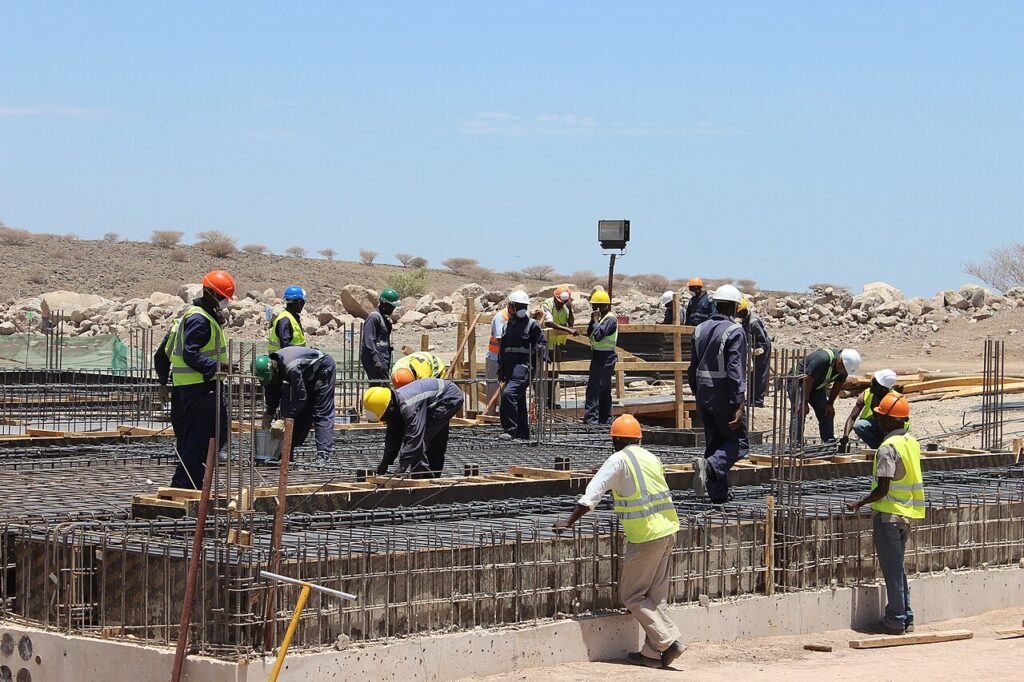
Cover photo: george garang via Wikimedia Commons (CC BY-SA 2.0)

Impact communications strategist and climate storyteller. Managing Director of Reznick Communications and Founder & CEO of WeAreTELL.