Every time a disaster strikes, a journalist somewhere asks the same question.
“Was this caused by climate change?”
For a long time, the honest scientific answer was frustrating: “You can’t attribute any single event to climate change, but events like this are consistent with what we expect.” It was accurate. It was also useless for public understanding.
Then, over roughly the past two decades, a new field of science grew up to give a better answer. It’s called extreme event attribution, and it has quietly transformed how we talk about climate.
The question it answers
Attribution science doesn’t ask “Did climate change cause this flood?” That’s the wrong question. Floods, droughts and heatwaves happened before humans burned fossil fuels.
Instead, it asks two better questions:
- How much more likely did climate change make this event?
- How much more intense did climate change make it?
Those questions have measurable answers.
How it works, in plain language
Imagine two worlds.
World A is the world we actually live in, warmed by human greenhouse gas emissions.
World B is the world as it would have been without human-caused warming.
Scientists use climate models and historical observations to simulate both worlds thousands of times. Then they count: how often does a heatwave as hot as the one we just experienced happen in World A? How often in World B?
If an event happens once every 500 years in World B but once every 50 years in World A, climate change made it about ten times more likely.
Similarly, they can compare how hot, how wet or how dry the event would have been in each world.
Who does this work
One of the best-known groups is World Weather Attribution, an international collaboration of scientists that carries out rapid studies of extreme events, often within days or weeks. National meteorological services and academic teams around the world also do attribution research, and the IPCC has assessed the growing evidence base.
What it has shown
Attribution studies have found that human-caused climate change has made many recent heatwaves dramatically more likely and more intense, and has increased the intensity of many heavy rainfall events. Some extreme heat events have been found to be virtually impossible without climate change.
Droughts are more complex, because they depend on rainfall, temperature and how water is used. Some studies find a strong climate signal; others find that factors like land use and water management matter as much or more.
Why it matters
For people affected: it connects their experience to a cause. Your flooded home isn’t just bad luck.
For policymakers: it shows that climate impacts are here now, strengthening the case for adaptation and loss and damage support.
For courts: attribution science is increasingly part of climate litigation, linking harm to emissions.
For communicators: it lets us answer the question everyone asks with evidence instead of hedging.
How to communicate attribution well
This is where communicators often go wrong, in both directions.
Don’t overclaim. Unless a study has been done, don’t say “This flood was caused by climate change.” Say what the science supports.
Don’t underclaim either. When a study exists, use it. “Scientists found climate change made this heatwave about X times more likely” is clear and powerful.
Explain the method simply. The “two worlds” comparison works for most audiences.
Include the other factors. Disasters are also shaped by where people live, how cities are built, whether drains work and whether warnings reach people. A flood is a climate event and a planning event.
Link to the source. Name the study and who did it.
A note on “natural disasters”
Increasingly, many scientists and communicators avoid the phrase “natural disaster”. The hazard may be natural, a storm or a drought, but whether it becomes a disaster depends on human decisions: where we build, how we prepare, who has resources to recover. Climate change adds another human fingerprint.
That shift in language matters. It reminds audiences that disasters aren’t fate. They’re shaped by choices.
For organisations
When a disaster hits your region, check whether an attribution study is underway or completed. Use its findings carefully in your communications. If no study exists, describe the event in the context of long-term trends, without claiming direct causation.
Science communication is central to my work as a climate storyteller and climate influencer. Read my guide to reading IPCC reports and turning data into stories.
Frequently asked questions
What is extreme event attribution?
It’s a field of climate science that estimates how much human-caused climate change altered the likelihood or intensity of a specific extreme weather event.
Can scientists say climate change caused a specific flood?
They usually say how much more likely or intense climate change made the event, by comparing today’s climate with a simulated world without human-caused warming.
Who does rapid attribution studies?
World Weather Attribution is one well-known international group, alongside national meteorological services and academic teams.
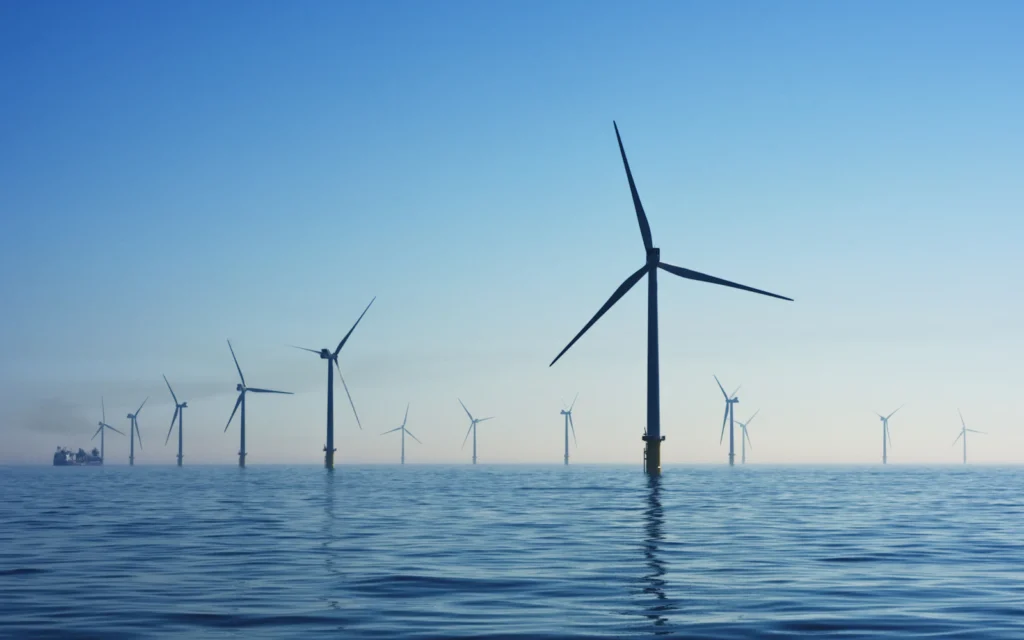
Cover photo: Nicholas Doherty on Unsplash
Join the conversation
No comments yet. Share your perspective below.
Leave a comment

Impact communications strategist and climate storyteller. Managing Director of Reznick Communications and Founder & CEO of WeAreTELL.