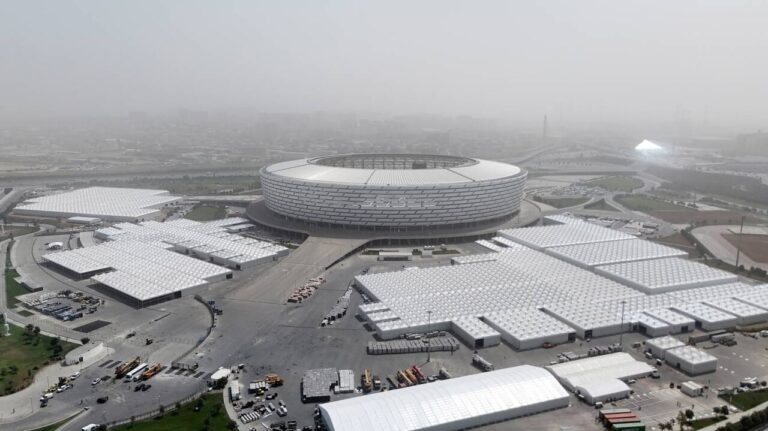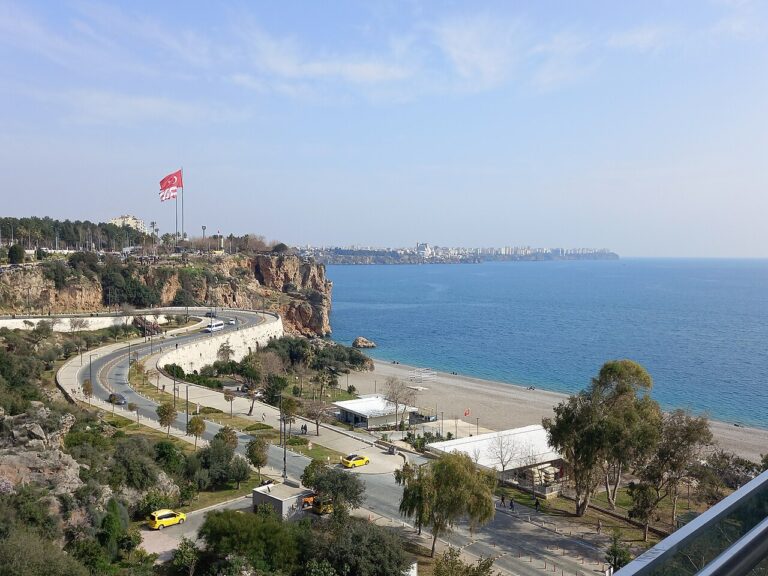
On Friday night in Antalya, the clearest sign of where COP31 stood didn’t come from a podium. It came from logistics. The UN quietly extended catering and the shuttle buses between hotels and the venue, The National reported. Nobody could say how long the overrun would last.
The summit was scheduled to end on Friday 20 November. A late closing session that evening signed off some technical items, but not the political deal everyone came for. So the world’s climate negotiators woke up on Saturday in overtime, waiting for a third draft of the main text.
COP overtime is nothing new. What makes this one different is what’s missing from the text, and the rule that decides what happens next.
Two drafts down, a third on the way
Here’s the short version of the week. On Monday 16 November, Australia, the co-host and lead negotiator, put out an opening draft that called for a faster move away from fossil fuels. By Thursday that had disappeared. According to RTÉ, the 19 November draft is nine pages long and never mentions coal, oil or gas. I unpacked that draft and what it means for African economies in my piece on the fossil-fuel language being dropped.
What’s left on the table, according to AP, Al Jazeera and IPS reporting:
- Electrification: a goal to raise electricity’s share of global final energy use to 35% by 2035. AP puts today’s share at about 21%. The text doesn’t say the power has to be clean, and some countries want that word added.
- Adaptation finance: an “Antalya-to-Addis Ababa Roadmap” for adaptation and resilience finance. It talks about tripling, but sets no dollar figure. An earlier version said at least $120 billion a year was needed.
- Carbon capture: bracketed, unresolved language supporting carbon capture and removal. Vanuatu and campaigners want it out.
- Other items: a reaffirmation of the 1.5°C goal, an Antalya Compact on energy-efficient buildings, and new dialogues on oceans and mountains.
COP31 President Murat Kurum, Türkiye’s environment and climate minister, told reporters the talks were close to the finish line, “but we are not there yet” (AP). Australia’s Chris Bowen, who serves as president of negotiations, said he still believed a deal was possible.
A COP text is shaped as much by what gets left out as by what goes in.
Why one country’s “no” carries so much weight
This is the part most headlines skip, and it’s the part that matters most right now. UN climate decisions are adopted by consensus. There’s no vote. Nearly 200 countries have to accept the text, and one formal objection can block adoption, as UN News and Al Jazeera both point out.
Panama has said it will use that power. Its environment minister, Juan Carlos Navarro, said Panama would formally object to any deal that doesn’t mention fossil fuels and cap oil production at current levels. On the other side, RTÉ reports that Saudi Arabia and its allies rejected even a reference to transition language, arguing that each country should choose its own energy mix.
Between those two positions sit a lot of countries trying to find words both sides can live with. On Friday a group led by France and Panama, including Côte d’Ivoire, Vanuatu and several European states, set out six priorities. They were science, fossil fuels, climate finance, clean electrification, methane and cooperation across the Rio Conventions (UN News). The European Union has warned the current text could turn this into a “fossil summit”. The United States is absent for a second year.
If you want a refresher on the jargon (cover decision, brackets, consensus, informals), my COP negotiations glossary covers it.
Under consensus, the quietest countries matter less than the ones willing to say no out loud.
Africa’s frustration: “We didn’t come here to beg”
For African delegations, the fossil-fuel fight isn’t the only issue, and often not the most urgent one. The bigger question is money for adaptation: the seawalls, drought-resistant farming, early warning systems and water storage that keep people alive as the climate shifts.
The National reports that ministers from African countries pushed for clearer plans to at least triple adaptation finance by 2035. Instead, the draft offers a roadmap with no number and no baseline year. Ghana’s environment minister, Zanetor Agyeman-Rawlings, summed up the mood: “We didn’t come here to beg,” she said (Al Jazeera).
Others were blunter. Mohamed Adow of Power Shift Africa called it the worst COP ever, according to AP and UN News. Iskander Erzini Vernoit, an adviser to African negotiators, told AP that hope wasn’t lost, but that the talks were heading for low-ambition outcomes without a change of course.
There’s also a detail African communicators should notice. The adaptation roadmap is named for Addis Ababa, host of COP32 in November 2027. Whatever Antalya leaves unfinished on adaptation finance will land on African soil next year. I’ve written about why that gap matters so much for the continent in my adaptation finance explainer.
A roadmap without a number is a promise without a price tag.
The temperature behind the talks
None of this is happening in a vacuum. AP notes that Berkeley Earth put October 2026 at 1.8°C above pre-industrial levels, and the UN says the world is on course to pass 1.5°C. The gap between what the science demands and what the text offers is wide, and countries like Kenya live on the wrong side of it.
That’s why I’m careful not to call the outcome yet. A third draft could restore some fossil-fuel language, add a number to adaptation finance, or strip more out. It could also stall if one delegation formally objects. Anyone who tells you today exactly how this ends is guessing.
Overtime doesn’t decide whether a COP failed. The text does.
What to watch next
- The third draft: does it mention fossil fuels at all, even through softer “transition” wording?
- The word “clean”: does it get attached to the 35% electrification goal? Without it, the target could be met partly with fossil power.
- A number for adaptation: does the roadmap gain a figure or a baseline year, or does it stay open-ended until Addis Ababa?
- The gavel moment: does Panama, or anyone else, formally object when the presidency moves to adopt?
- The handover to COP32: how much unfinished business gets pushed to Ethiopia in 2027?
The takeaway for communicators and event planners
Over the next few days, your audiences will be hit with headlines that say “deal reached”, “deal collapsed”, or “historic”. Most of them won’t explain what’s actually in the text. That’s the opening for anyone who communicates on climate.
- Translate the process: explain consensus, brackets and roadmaps in plain language. People can’t judge an outcome if they don’t know how it was made.
- Follow the money, not the mood: the adaptation number, or the lack of one, will matter more to Kenyan farmers than the closing press conference.
- Plan your post-COP moment: December briefings, staff sessions and partner events are good places to unpack what Antalya means for your work. A good moderator can turn a confusing outcome into a useful conversation.
If you’re planning a COP31 debrief or a road-to-COP32 event and want someone who can make the negotiations make sense to a room, I’d love to help. See my speaking and moderation work or get in touch. And if your team wants to build these skills in-house, that’s exactly what we’ll be teaching through ImpactComms from 2027.
For the latest reporting from the venue, AP’s coverage is a good place to start.
Frequently asked questions
Why did COP31 go into overtime?
Countries couldn’t agree on the main political text by the scheduled close on Friday 20 November. The biggest dispute is whether the deal mentions fossil fuels, alongside arguments over adaptation finance and carbon capture.
Can one country block a COP31 deal?
Yes. UN climate decisions are adopted by consensus rather than a vote, so a single formal objection can stop a text being adopted. Panama has said it will object to a deal that doesn’t mention fossil fuels.
What does COP31 mean for Africa and Kenya?
The key issue for African countries is adaptation finance. The current draft creates an Antalya-to-Addis Ababa roadmap but sets no dollar figure, so much of that fight is likely to carry over to COP32 in Ethiopia in 2027.
Cover photo: Cobija via Wikimedia Commons (CC BY-SA 4.0)
Join the conversation
No comments yet. Share your perspective below.
Leave a comment

Impact communications strategist and climate storyteller. Managing Director of Reznick Communications and Founder & CEO of WeAreTELL.