Bonn in June is lovely. The Rhine glitters, the cafés spill onto the pavements, and the long evenings stretch past ten o’clock.
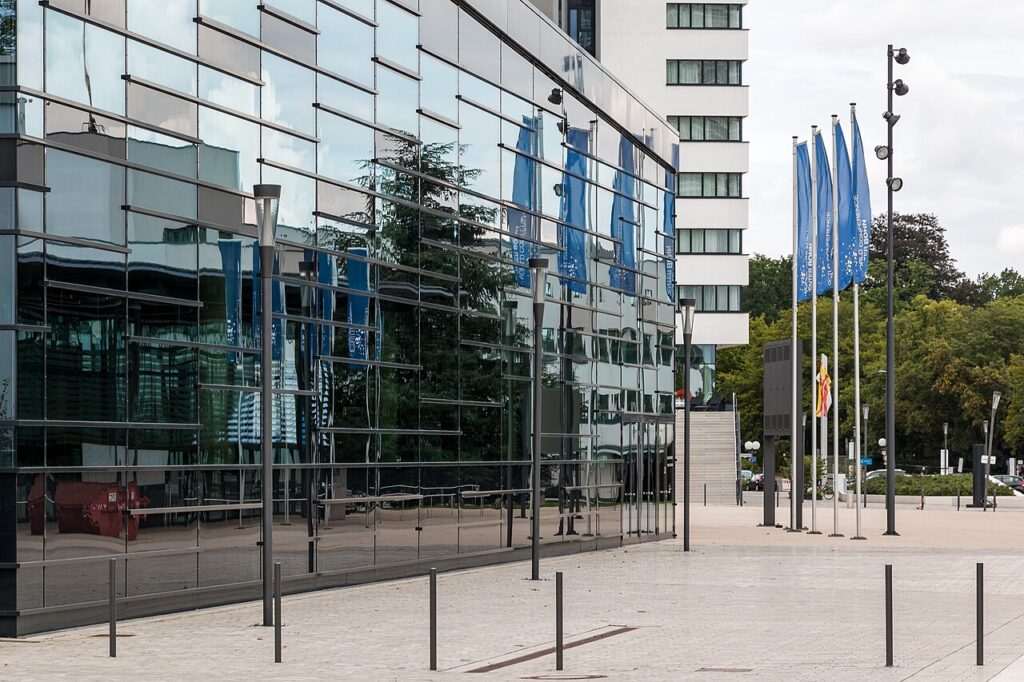
Inside the World Conference Center, a short walk from the river, nobody was enjoying it much.
For two weeks, negotiators from almost every country in the world gathered for SB64, the mid-year sessions of the UNFCCC’s subsidiary bodies. These are the technical meetings where COP decisions are drafted, line by line, bracket by bracket. They rarely make headlines. But they set the table for the summit in November.
On 18 June 2026, the session closed. Most observers summed it up in one word: gridlock.
Why Bonn matters even though nobody watches
COPs get the cameras, the world leaders and the drama. But much of the real negotiating work happens in Bonn, months earlier, in small rooms with draft texts projected on screens.
If Bonn goes well, negotiators arrive at the COP with clean texts and a few political decisions to make. If Bonn goes badly, they arrive with a mountain of brackets and very little time.
This year, they’ll be arriving in Antalya with a mountain.
The adaptation deadlock
The biggest disappointment, especially for African countries, was the Global Goal on Adaptation.
At COP30 in Belém, countries adopted a set of indicators to track progress on adaptation and called for at least tripling adaptation finance by 2035. Bonn was supposed to build on that.
Instead, negotiators couldn’t agree on text. The item was forwarded to COP31 under the UNFCCC’s “rule 16”, the procedure that moves unfinished business to the next session.
The fight was about money. A reference to the COP30 call to triple adaptation finance ended up in square brackets, with some developed countries, including Canada, Norway and Japan, opposing it. There were also disagreements about how to refine the indicators, and about whether follow-up work should be technical or political.
For countries where adaptation means survival, watching that reference sit in brackets was painful.
The bright spot: just transition
Not everything stalled. On the just transition, the mechanism launched at COP30 to support fair transitions for workers and communities, a package of texts was agreed at the closing plenary without objection. It sets out terms for further work before Antalya.
It isn’t the finish line. But in a session short on good news, it mattered.
Finance: records and resentment
Climate finance was less of a procedural battle than in some years. There was no fight over the agenda at the start. But the tension was everywhere.
OECD figures showed developed countries provided a record US$136.7 billion in climate finance in 2024. Developing countries welcomed the number and pointed out that records are measured against old targets. The new goal agreed in Baku is US$300 billion a year by 2035, with a broader aspiration of US$1.3 trillion. They want a dedicated discussion on Article 9.1 of the Paris Agreement, which sets out developed countries’ finance obligations, on the COP31 agenda.
Mitigation: deferred
Work on the mitigation programme also went to COP31 without agreement. Another item for Antalya’s overflowing bag.
The second global stocktake
One more thing to know: the second global stocktake, the Paris Agreement’s five-yearly review of collective progress, begins at COP31 and runs to 2028.
What Bonn means for Africa
African negotiators left Bonn with a clear message for Antalya: adaptation finance is the test. A COP31 that doesn’t deliver a credible signal on adaptation money will be seen as a failure across much of the continent.
And with COP32 coming to Ethiopia in 2027, African countries have every incentive to make sure the groundwork is laid properly.
How to communicate Bonn
If you’re writing about the Bonn talks, avoid the lazy “talks fail” headline. Technical sessions rarely produce breakthroughs. Instead, explain:
- What was passed to COP31, and why it matters.
- Who blocked what, specifically.
- What adaptation finance would mean for real communities.
And start preparing your COP31 narrative now. The organisations that plan early are the ones that cut through in November.
Planning a pre-COP briefing or reaction event? I’d be glad to moderate. Read my guide to the road to Antalya and more climate policy explainers.
Frequently asked questions
What happened at the June 2026 Bonn climate talks?
SB64 closed on 18 June 2026 with few tangible outcomes. Adaptation and mitigation items were forwarded to COP31 without agreed text, while a just transition package was agreed.
Why does the Global Goal on Adaptation matter for Africa?
It shapes how adaptation progress and finance are tracked, and adaptation is the top climate priority for most African countries.
Cover photo: Dietmar Rabich via Wikimedia Commons (CC BY-SA 4.0)

Impact communications strategist and climate storyteller. Managing Director of Reznick Communications and Founder & CEO of WeAreTELL.