Every year on 5 June, social feeds fill with the same images. A seedling held in cupped hands. A globe wrapped in a green ribbon. A group of smiling staff in branded T-shirts planting trees.
There’s nothing wrong with any of that. But this year, it feels like the planet is asking for more.
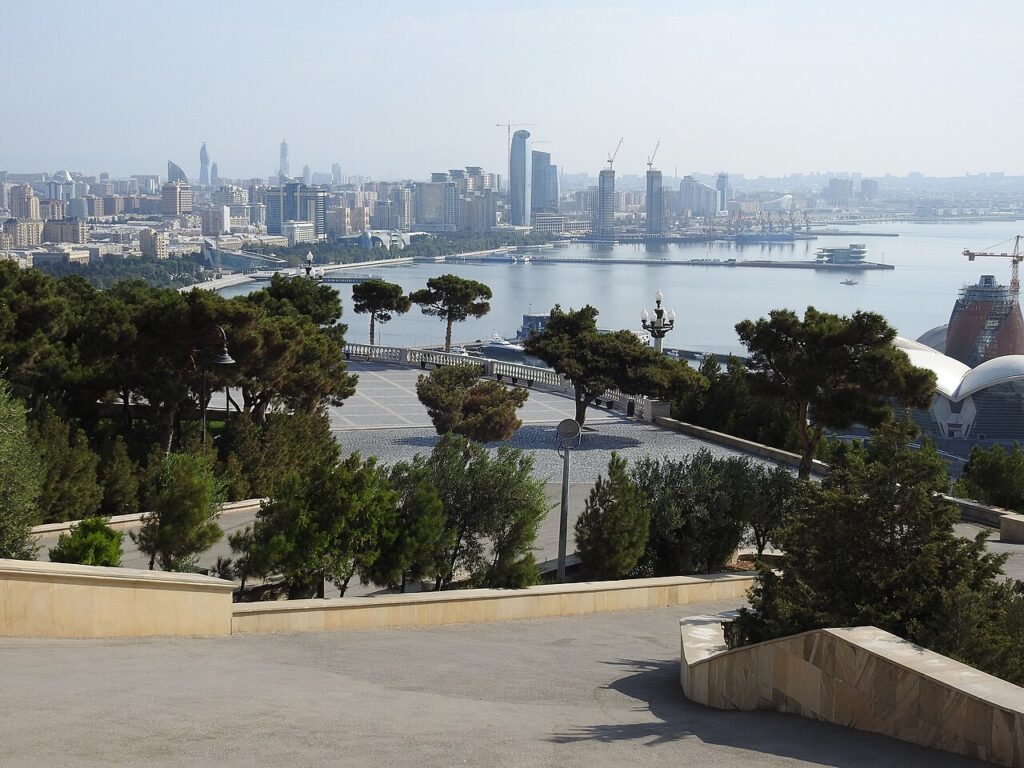
World Environment Day 2026 is hosted by Azerbaijan, and the focus is on urgent climate action. The timing is pointed. The world has just come through its eleven warmest years on record, and countries are preparing for COP31 in Antalya, Türkiye, this November.
The fever chart
In March, the World Meteorological Organization published its State of the Global Climate 2025 report. A few numbers from it are worth carrying into any World Environment Day conversation:
- 2015 to 2025 were the eleven warmest years on record.
- 2025 was the second or third warmest year on record, at about 1.43°C above the pre-industrial average.
- Earth’s energy imbalance, the gap between the heat the planet absorbs and the heat it releases, reached a new high in 2025.
- Ocean heat reached a record, and the ocean has been warming more than twice as fast over the last two decades as it did between 1960 and 2005.
- Sea level was about 11 centimetres higher than at the start of the satellite record in 1993.
Put simply: the planet is still accumulating heat, and the consequences are arriving faster.
What that looks like at home
In Kenya, climate change isn’t an abstraction. It’s the multi-season drought that devastated the north and east between 2020 and 2023. It’s the floods that followed. It’s farmers who no longer trust the old planting calendar. It’s city residents in tin-roofed homes trying to sleep through hotter nights.
World Environment Day is a chance to connect those lived experiences to the bigger picture, and to what can be done.
Going beyond the hashtag
Here are five ways to make today meaningful.
1. Explain one policy in plain language
What does Kenya’s climate plan actually say? What does your county’s climate budget fund? Choose one policy and explain it in a short video, a post or a community conversation. Policy literacy is power.
2. Show a solution with evidence
Feature one local project that works, with numbers. A school that cut its power bill with solar. A community that restored a degraded hillside. A cooperative that kept livestock alive through a drought. Hope with evidence is the most persuasive kind.
3. Reach beyond the climate bubble
Partner with someone outside the usual circles: a musician, a footballer, a pastor, an imam, a matatu crew, a market association. New messengers reach new audiences.
4. Make a commitment, and report on it next year
If your organisation is going to say something today, commit to something specific: an energy reduction target, a supplier change, a community programme. Then report back on 5 June 2027. Accountability is the opposite of greenwashing.
5. Listen
Host a community dialogue on heat, water or energy, and actually listen. Some of the most valuable climate insight comes from people who’ve never been invited to share it.
Content ideas that work
- A 60-second video: “What 1.5°C means for our town.”
- A photo series: then-and-now pictures of a local river, forest or coastline.
- Short interviews with farmers, fishers or vendors on how their seasons have changed.
- A carousel of five WMO numbers, explained simply.
A note on tone
Hold urgency and hope together. The science is serious and should be stated plainly. But despair doesn’t motivate anyone. People act when they believe action is possible and meaningful.
That’s the balance I aim for in all my work as a climate storyteller and climate influencer.
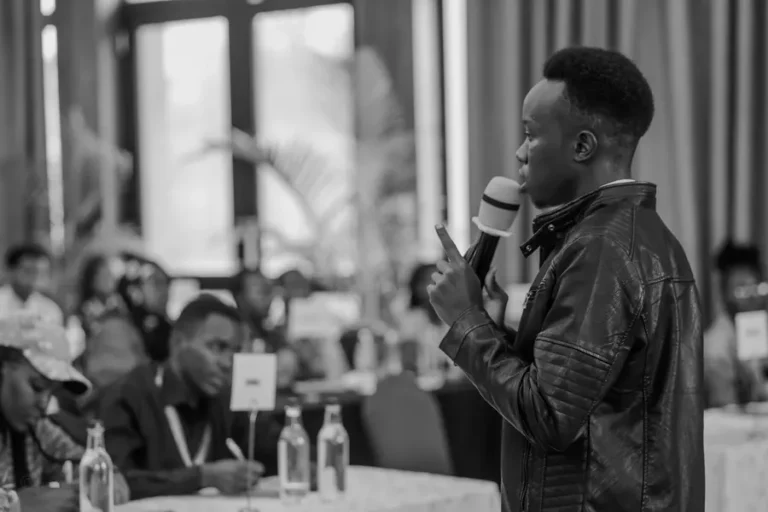
If you’re hosting a World Environment Day event, I’d be glad to moderate or speak. For the science behind today, read my breakdown of the WMO’s State of the Climate report.
Frequently asked questions
Who hosted World Environment Day 2026?
Azerbaijan hosted World Environment Day 2026, with a focus on climate action.
How can organisations make World Environment Day meaningful?
Connect it to policy, showcase measurable local solutions, reach new audiences and make a concrete commitment you can report on next year.
Cover photo: shankar s. from Dubai, united arab emirates via Wikimedia Commons (CC BY 2.0)

Impact communications strategist and climate storyteller. Managing Director of Reznick Communications and Founder & CEO of WeAreTELL.