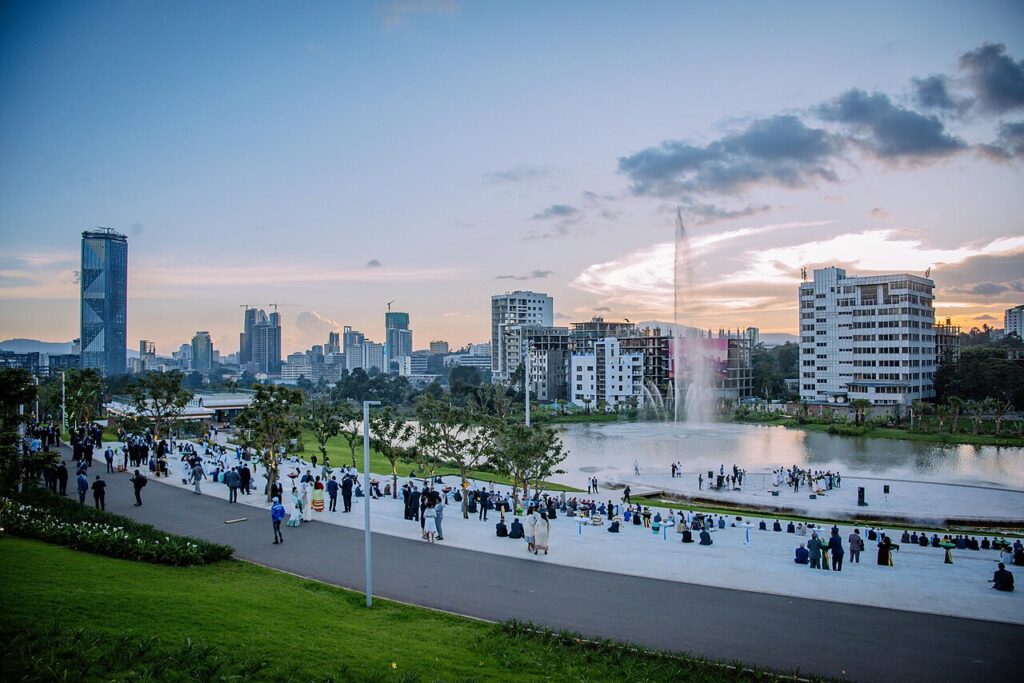
I remember the energy in Addis Ababa in September 2025.
The halls of the second Africa Climate Summit were packed: heads of state, ministers, investors, scientists, youth leaders, journalists, artists. The language had shifted from earlier years. Fewer speeches about victims. More about builders. Africa, speaker after speaker said, is not just where the climate crisis hits hardest. It’s where solutions are being invented.
On 10 September 2025, the summit closed with the Addis Ababa Declaration. Photographs were taken. Hashtags trended. Flights left Bole International Airport.
And then, as happens after every summit, the world moved on to the next thing.
A year later, it’s worth asking the question nobody asks often enough: what happened next?
Why declarations need follow-up
I’ve been to enough summits to know the pattern. A declaration is negotiated over months, celebrated for a day and forgotten within a quarter. It’s not that the commitments weren’t sincere. It’s that nobody owns the follow-up.
Without follow-up, two things happen. Leaders lose the pressure to deliver. And citizens lose faith that summits matter at all.
Accountability isn’t hostility. It’s how promises become plans.
What the declaration set out to do
The Addis Ababa Declaration built on the Nairobi Declaration of 2023 and pushed several big ideas:
- Reform of the global financial system, so African countries can borrow and invest on fairer terms. Many African governments pay far higher interest rates than richer countries, which makes climate investment hugely expensive.
- Scaling up adaptation finance, with more grants and fewer loans for a continent already living with drought, floods and heat.
- Homegrown finance and innovation, from African financial institutions and African entrepreneurs.
- A united African voice going into COP30 in Belém and beyond.
Five questions to track, one year on
Here’s the framework I’d use if I were writing a scorecard. You can use it too.
1. Has the cost of capital moved?
This is the quiet heart of the declaration. If a solar developer in Kenya pays several times more for finance than one in Germany, the clean energy transition stalls. Look for movement on debt relief, credit ratings reform, guarantees and blended finance from development banks.
2. Did adaptation finance grow?
At COP30, countries called for at least tripling adaptation finance by 2035. In Bonn in June 2026, a reference to that call became a sticking point. Follow the money: are new adaptation funds reaching African countries, and are they grants?
3. Are African institutions financing more climate action?
Look at national budgets, African development finance institutions and domestic capital markets. Are green bonds being issued? Are pension funds investing in climate infrastructure?
4. Are African positions shaping negotiations?
The African Group of Negotiators pushed hard on adaptation and finance in Belém. Track whether those priorities show up in decisions at COP31 in Antalya, and how the continent prepares to host COP32 in Ethiopia in 2027.
5. What’s happening on the ground?
This is where you’ll find the most honest answers. Talk to a county climate officer, a solar mini-grid operator, a farmer’s cooperative, a young innovator. Are things changing for them? Faster, slower, not at all?
How to build a simple accountability tracker
You don’t need a think tank to do this. A spreadsheet works.
Create columns for:
- The commitment, quoted or summarised from the declaration.
- Evidence of progress, with a link.
- Source, so others can verify.
- Status: on track, slow, stalled or unclear.
- Last updated.
Update it every few months and publish a short note each time. Within a year, you’ll have one of the most useful resources in your sector.
Tell the story honestly
Accountability stories don’t have to be negative. If a country has scaled up its adaptation budget, celebrate that loudly. If a promised fund never materialised, say so clearly. And always bring it back to ordinary people: what does progress, or the lack of it, mean for a family in Turkana, a fisherman in Lamu or a student in Kisumu?
Why this matters more than ever
In 2027, COP32 comes to Ethiopia. The world’s climate summit will return to the city, and the country, where the Addis Ababa Declaration was signed.
When the cameras arrive, the first question journalists will ask is: what happened to the promises made here in 2025?
African civil society, journalists and communicators should be the ones with the answer ready.
I was in Addis for the 2025 summit, and I’ll keep tracking these commitments here. If you’re organising an accountability dialogue or a pre-COP32 convening, I’d be glad to moderate. Read more African climate perspectives.
Frequently asked questions
How can civil society track the Addis Ababa Declaration?
Build a simple scorecard of commitments, evidence of progress, sources and status, and publish updates regularly.
When is COP32?
COP32 will be hosted by Ethiopia in 2027, with dates set by the UNFCCC.
Cover photo: DaneyWiki via Wikimedia Commons (CC BY-SA 4.0)

Impact communications strategist and climate storyteller. Managing Director of Reznick Communications and Founder & CEO of WeAreTELL.