There’s a weight to the name Mandela. When it’s spoken in a room full of young Africans, the room changes. People sit up. Phones go down.
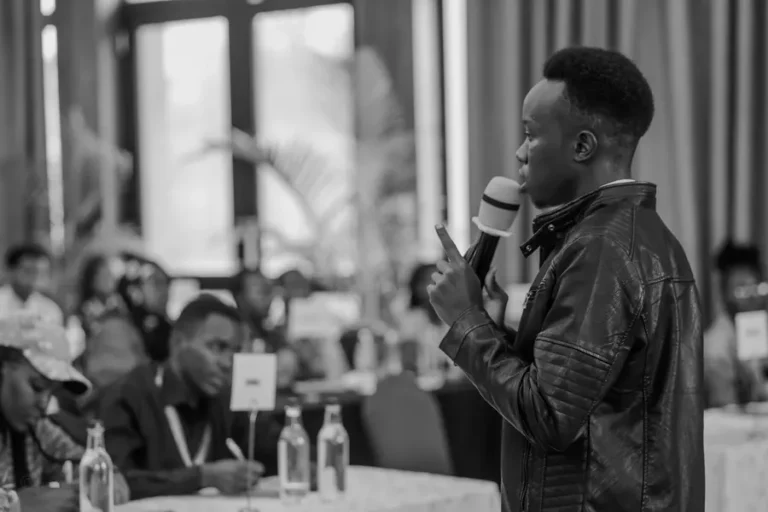
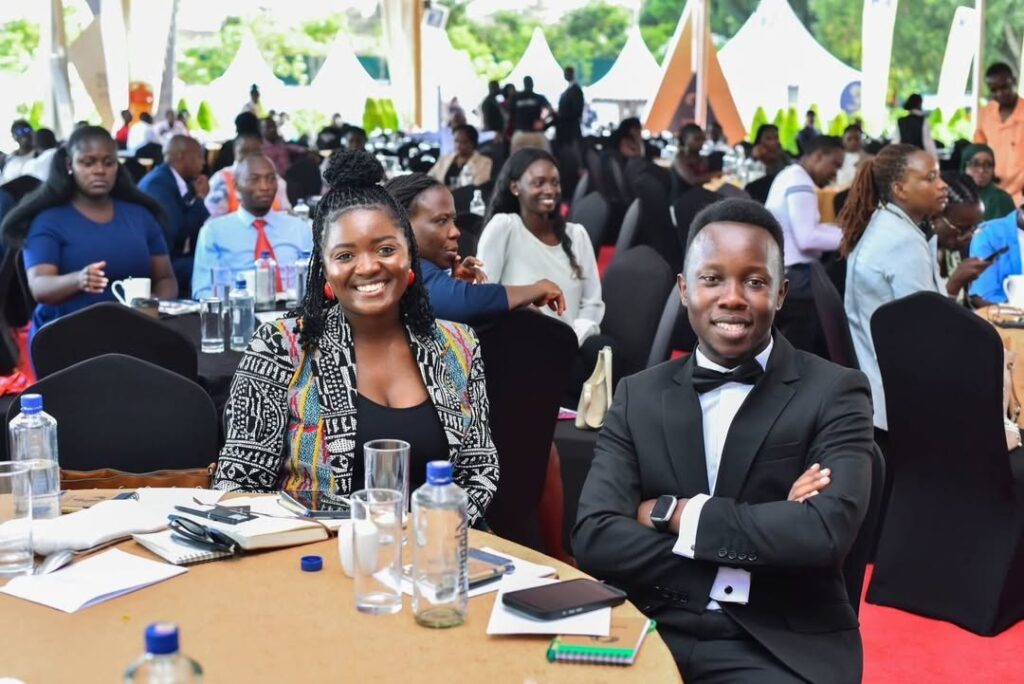
Earlier this month, from 5 to 6 February, I was in that room with WeAreTELL for the Mandela African Leadership Summit in Nairobi. The summit was built around three ideas: ethical leadership, innovation and collaboration between generations. Climate leadership ran through all of them.
Among the speakers was Ndaba Mandela, grandson of Nelson Mandela and co-founder of the Mandela Institute for Humanity. His message to the young people in the audience was direct: don’t wait to be invited. Take active roles in shaping education, governance, innovation and environmental sustainability.
Here’s what stayed with me.
1. Leadership is a story you tell, and live
Nelson Mandela was a master communicator. Not because he gave long speeches, but because he could explain, in simple terms, where we were, where we needed to go and why it mattered. He made people believe the impossible was achievable.
Climate leadership needs the same gift. The science is complicated. The politics are messy. The solutions cut across energy, farming, finance, health and cities. A leader who can’t tell that story clearly can’t build the coalition needed to act on it.
That’s why storytelling and communication came up at the summit as part of climate leadership itself, not a side skill.
2. Values outlast titles
Some of the most compelling voices I heard over the two days didn’t have the biggest titles. They were community organisers, young founders, students and teachers.
Mandela’s own life is the ultimate reminder that leadership isn’t conferred by position. He led from a prison cell for twenty-seven years. Leadership is what you stand for when it costs you something.
For young climate leaders, that means consistency. Showing up when the cameras aren’t there. Turning down partnerships that compromise your message. Telling the truth when it’s inconvenient.
3. Africa’s climate leaders must be bridge-builders
Three dimensions of climate leadership kept coming up in the conversations:
Youth participation and agency. Young people as decision-makers, not spectators.
Innovation and adaptation. Sustainable agriculture, renewable energy, resilient cities: the solutions young Africans are already building.
Storytelling and communication. Making the case, building movements, changing minds.
The common thread is connection. Climate action fails when sectors work in silos. The leaders who succeed are those who can speak the language of the minister and the farmer, the investor and the activist, in the same week.
4. Africa contributes little to the problem, and must lead on solutions anyway
There’s a hard truth that hung over the climate discussions. Africa has contributed a small share of global emissions, yet faces some of the most severe impacts.
It would be easy for that injustice to become an excuse for waiting. Instead, the mood in the room was closer to defiance: we didn’t cause this, but we will not be defined by it. Africa’s young people intend to build the solutions, and to demand fairness from those who caused the problem.
5. Accountability is how trust is built
Summits produce declarations. Declarations produce headlines. Headlines fade.
The leaders who earn lasting trust are those who come back a year later and report what they did. Young people, especially, have grown sceptical of grand promises. Follow-through is the new charisma.
For organisers of leadership events
If you’re designing a leadership summit or forum, here’s what makes the difference:
- Mix the stage: established leaders alongside emerging voices, not in separate sessions.
- Build in real dialogue: less podium, more conversation.
- Create commitments: and track them publicly.
- Choose a moderator who can challenge respectfully: keeping the energy high while making sure every voice is heard.
What I’m carrying forward
Leaving Nairobi that evening, I kept thinking about a simple idea: every generation gets its own defining struggle. For Mandela’s generation, it was freedom. For ours, climate change is among the defining challenges, tied up with justice, jobs, dignity and survival.
The name Mandela still asks something of us. The young people in that room seemed ready to answer.
See photos from the summit in the gallery and the event on my events page. Learn more about me or my speaking and moderating work.
Frequently asked questions
What is the Mandela African Leadership Summit?
A gathering focused on ethical, youth-driven leadership for Africa. The February 2026 edition took place in Nairobi with Ndaba Mandela.
What kind of leadership does Africa’s climate future need?
Leaders who can tell the story clearly, build bridges across sectors, give young people real power and report back on what they promised.
Cover photo: Blair Reznick / WeAreTELL archive
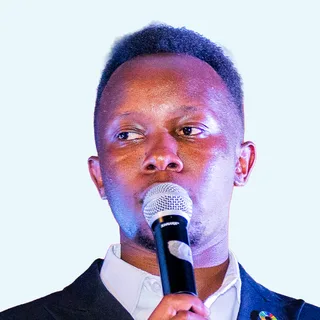
Impact communications strategist and climate storyteller. Managing Director of Reznick Communications and Founder & CEO of WeAreTELL.