Rangelands don’t photograph well. That’s the first thing you learn when you try to tell their story.
A rainforest is lush and dramatic. A coral reef is a riot of colour. A glacier is cinematic. A rangeland, to an untrained eye, is a lot of grass, some acacia, dust and sky.
And yet rangelands cover a vast share of Africa’s land. They feed millions of livestock, sustain pastoralist cultures, store carbon in their soils, shape water cycles and hold some of the continent’s most iconic wildlife. When they degrade, the consequences ripple out into food insecurity, conflict and displacement.
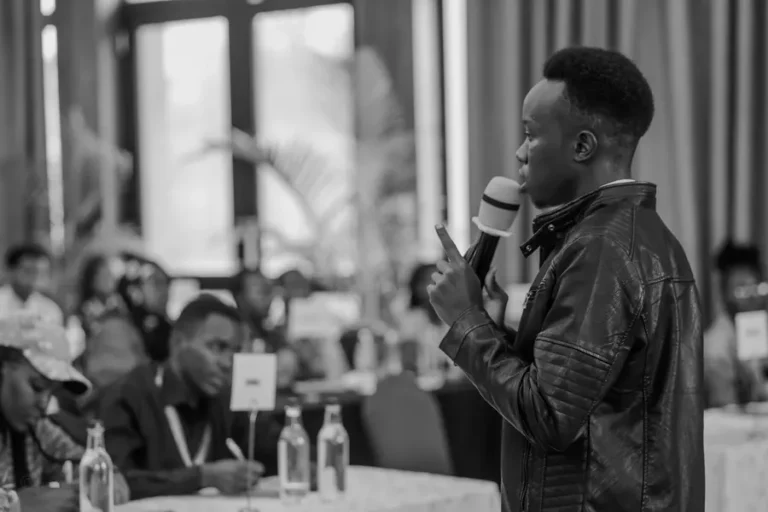
This week in Nairobi, GLF Africa 2026, the Global Landscapes Forum, put rangelands at the centre of the conversation under the theme Stewarding Our Rangelands. WeAreTELL was there conducting interviews, creating digital stories and documenting the forum. Here’s what I took away.
Landscapes, not sectors
The Global Landscapes Forum is built on an idea I find powerful: that climate, food, water, biodiversity and livelihoods don’t live in separate boxes. They meet in landscapes.
A degraded hillside sends silt into a river. The river feeds a dam. The dam supplies a town’s water and electricity. The town’s markets buy livestock from the rangelands upstream. Pull one thread, and the whole fabric moves.
Stories that isolate one piece, the trees, the cattle, the water, miss the point. Good landscape storytelling shows the connections.
The room
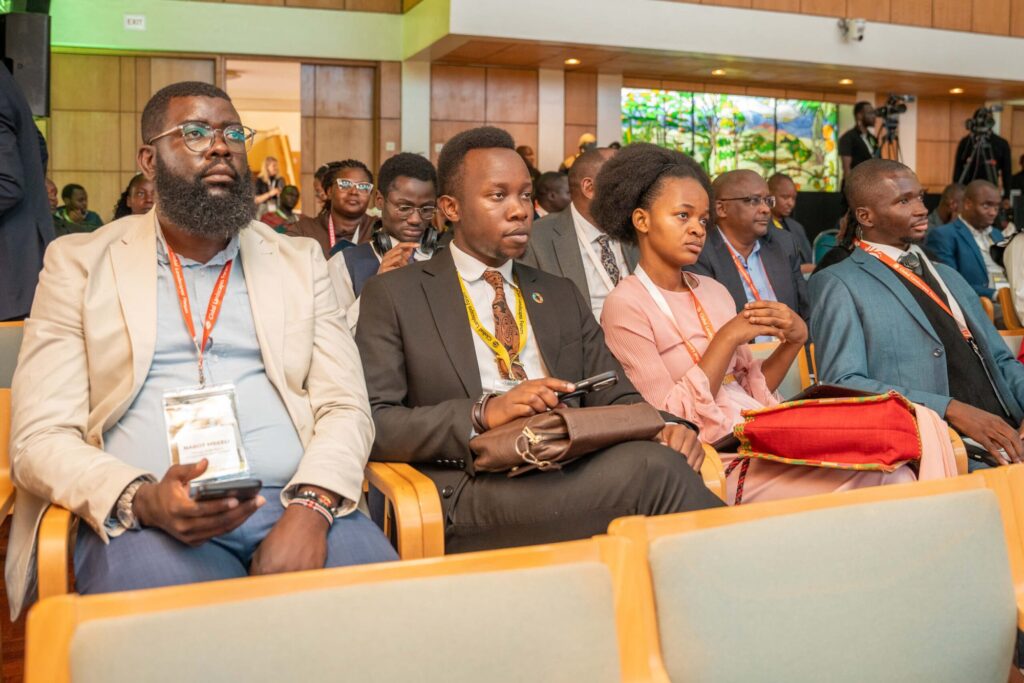
What made the forum memorable was who was in the room together: global environmental leaders, pastoralist communities, scientists, investors, youth leaders, restoration practitioners and storytellers.
You don’t often see a herder, a carbon-market investor and a soil scientist debating the same question. When you do, the conversation gets honest quickly.
Three ideas that kept coming back
Restoration that works is led locally. Again and again, speakers made the point that rangeland restoration succeeds when the people who live on and use the land lead it. Top-down projects that ignore customary land management, grazing patterns and local knowledge often fail.
Old practices, new evidence. Practices like rotational grazing, which many pastoralist communities have used for generations, are now being backed by scientific evidence, alongside regenerative agriculture and landscape restoration approaches.
Collaboration across sectors is the only way. Rangelands sit at the intersection of agriculture, environment, land, water, security and finance ministries. When they don’t talk to each other, rangelands fall through the cracks.
The storytelling challenge: slow change in a fast world
Here’s the problem every restoration communicator faces. Restoration is slow. Grass recovers over seasons. Soil rebuilds over decades. Trees take years to grow. The news cycle, meanwhile, moves in hours.
How do you tell a story that unfolds over ten years, to an audience that scrolls in ten seconds?
Here’s what I’ve learned works.
Think in time-lapse. Before-and-after photographs taken years apart, from the same spot, are some of the most powerful restoration images there are.
Follow one family over time. Return to the same people, season after season. Audiences invest in people they come to know.
Show the economics. What does restored rangeland mean for milk yields, livestock prices, school fees? Money makes slow change tangible.
Celebrate local knowledge. Many of the techniques that work are traditional practices. Credit the people who kept them alive.
Mark the milestones. The first rains on restored ground. The first season without selling cattle in distress. These are small victories worth celebrating.
The tree-planting trap
One warning. Restoration communications often lean on big numbers: “a million trees planted”. It’s a satisfying headline. But how many survived? Were they the right species for the place? Did the community want them? Do they own them?
Survival rates, community ownership and long-term outcomes tell the real story. Planting is the beginning, not the result.
Why this matters for organisers
Landscape events bring together people who don’t usually share a stage. A moderator needs to speak the language of the pastoralist and the investor in the same session, and make sure neither dominates. It’s a skill I’ve worked on over years of hosting multi-stakeholder dialogues.
Thank you to the GLF team and everyone who shared their stories with us. See photos in the gallery and the event on my events page. Learn more about my speaking work, or read about why indigenous knowledge is climate science.
Frequently asked questions
What was the theme of GLF Africa 2026?
GLF Africa 2026, held in Nairobi in May 2026, focused on “Stewarding Our Rangelands”.
How do you tell restoration stories when change is slow?
Use before-and-after imagery years apart, return to the same people over time, show the economics and report survival, not just planting numbers.
Cover photo: Blair Reznick / WeAreTELL archive

Impact communications strategist and climate storyteller. Managing Director of Reznick Communications and Founder & CEO of WeAreTELL.