In March 2019, in a classroom at the University of the South Pacific in Vanuatu, a group of law students asked a question that sounded almost naïve.
What if we asked the world’s highest court whether countries have a legal duty to protect people from climate change?
They were students. They had no budget, no diplomatic power and no guarantee anyone would listen. They formed a group, Pacific Islands Students Fighting Climate Change, and started knocking on doors.
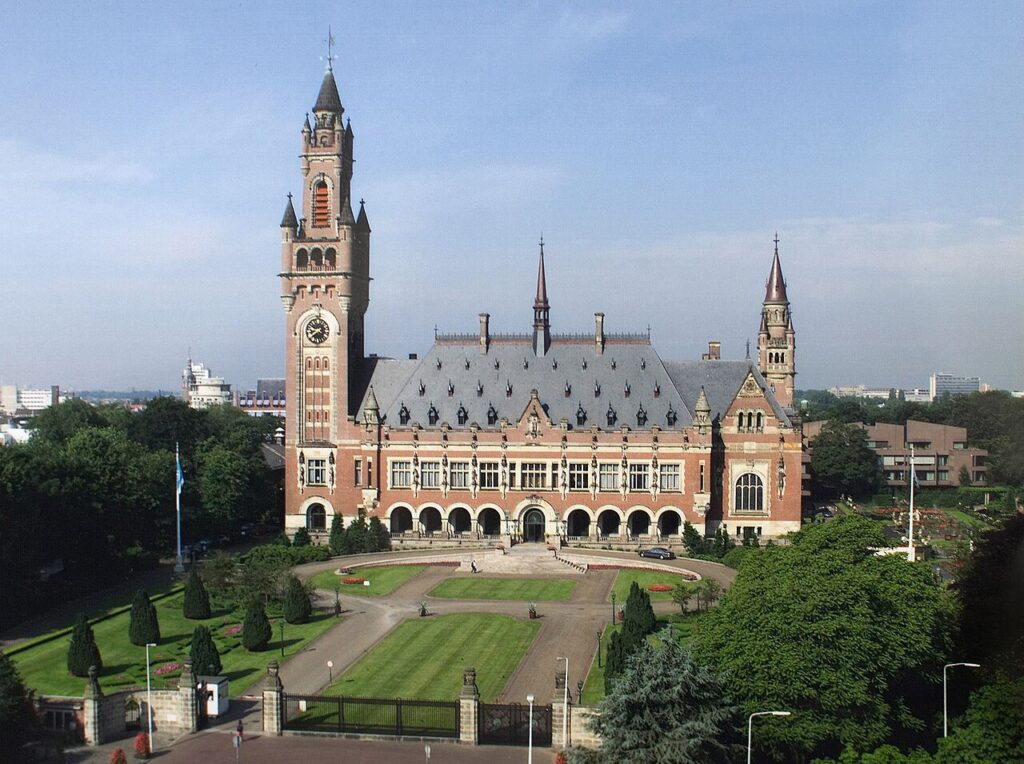
Six years later, on 23 July 2025, the International Court of Justice in The Hague delivered its answer. It was unanimous. And it may become one of the most important climate justice moments of the century.
How a student idea reached the Peace Palace
The students’ idea needed a government to carry it. Vanuatu, a Pacific island nation acutely exposed to cyclones and rising seas, took up the cause. It spent years building a coalition of countries.
In March 2023, the UN General Assembly adopted a resolution, by consensus, asking the ICJ for an advisory opinion on the obligations of states in respect of climate change.
What followed was the largest case in the court’s history. Over two weeks of public hearings in December 2024, nearly 100 countries and several international organisations made oral arguments before the judges in the Peace Palace. Small island states testified about disappearing land. Major emitters argued that climate treaties alone defined their obligations.
Then came seven months of deliberation.
What the court said
In plain language, here’s the heart of the opinion:
States have binding legal obligations to protect the climate system from greenhouse gas emissions. These obligations come not only from climate treaties like the Paris Agreement, but also from broader international law, including human rights law and customary international law.
These obligations require due diligence. Countries must take serious, ambitious action using all the means at their disposal. Token gestures don’t satisfy the law.
Failing to meet these obligations can be an internationally wrongful act. And in international law, wrongful acts can carry legal consequences.
The court treated 1.5°C as the primary temperature goal under the Paris framework, reinforcing the scientific consensus on what’s needed.
What an advisory opinion is, and isn’t
An advisory opinion is not the same as a judgment in a dispute between two countries. It doesn’t directly order anyone to pay anything.
But that doesn’t make it weak. Advisory opinions from the ICJ carry enormous legal and moral authority. National courts, regional human rights courts, lawyers and negotiators around the world will cite this one for years. It changes the legal ground on which climate arguments stand.
Why it matters for Africa
Africa has contributed a small share of historical global emissions, yet faces some of the most severe climate impacts on Earth: droughts in the Horn, floods in the Sahel, cyclones in Mozambique, rising seas along the coasts.
For years, African negotiators have argued that climate finance, adaptation support and help with loss and damage aren’t charity. They’re responsibility.
The ICJ opinion strengthens that argument. When the world’s highest court says states have legal obligations to protect the climate system, the case for fair finance becomes a legal case, not just a moral one.
The bigger lesson: young people move institutions
I keep coming back to those students in Vanuatu. They didn’t have power. They had an idea, persistence and a willingness to ask a big question.
If you’ve ever felt that young people’s climate activism doesn’t change anything, this story is your answer.
How to tell this story
Legal stories can feel dry. Here’s how I’d make this one land:
Lead with the students. It’s an underdog story with a global payoff. Everyone loves an underdog.
Translate “obligations” into everyday terms. Like a neighbour’s duty not to divert a river that floods your farm.
Don’t overclaim. Don’t say “polluters will now be sued and must pay”. Say the legal ground has shifted, and explain what might follow.
Connect to real people. Pacific islanders watching the sea rise. Pastoralists in northern Kenya losing herds. The opinion is about them.
Climate justice is at the heart of my work as a climate storyteller and climate influencer. If you’re hosting a dialogue on climate law, rights or justice, I’d be glad to moderate. Read more on why climate change is a human rights issue.
Frequently asked questions
What did the ICJ say about climate change?
In its unanimous advisory opinion of 23 July 2025, the International Court of Justice said states have binding obligations under international law to protect the climate system, and that breaching them can be an internationally wrongful act.
Is the ICJ advisory opinion legally binding?
Advisory opinions are not binding in the way a judgment between two states is, but they carry great legal and moral authority and are widely cited by courts and negotiators.
Cover photo: International Court of Justice via Wikimedia Commons (Public domain)

Impact communications strategist and climate storyteller. Managing Director of Reznick Communications and Founder & CEO of WeAreTELL.