Here’s a scene that plays out at conferences everywhere.
The opening keynote is excellent. The audience is engaged. Then the first panel begins. The moderator reads each speaker’s full bio, word for word, for eight minutes. They ask the first panellist to “share a bit about your organisation’s work”. Then the second. Then the third. By the time a real question is asked, thirty minutes have passed. Half the audience is on their phones. The other half is at the coffee station.
The speakers were brilliant. The topic was important. The session died anyway.
That’s the power of a moderator. They rarely get the credit when things go well. They always get noticed when things go wrong.
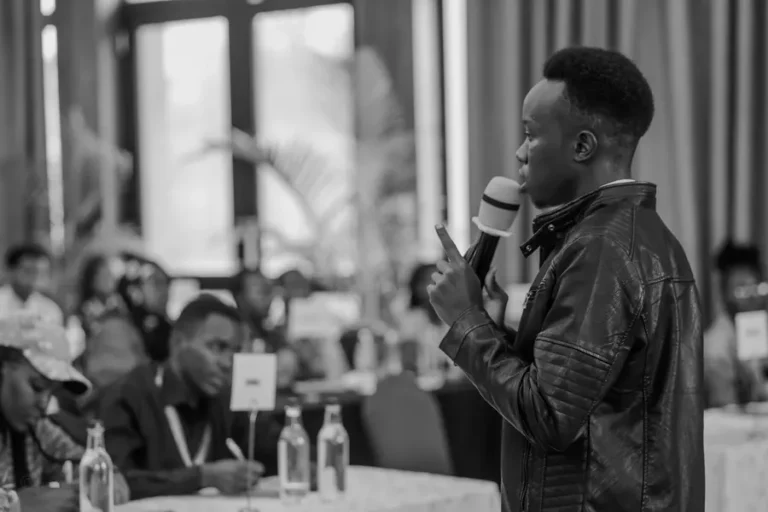
I moderate conferences, summits and dialogues across Africa and beyond. Here’s what I’d want every event planner to know before choosing who runs their stage.
1. Subject knowledge beats celebrity
A famous face can draw attention to your event. But if they don’t understand the topic, it shows within minutes. They ask generic questions. They miss the obvious follow-up. They let vague answers slide because they don’t know they’re vague.
For a panel on climate finance, you want someone who knows what an NDC is, why adaptation finance is contested and what “blended finance” actually means. For an e-waste conference, someone who understands extended producer responsibility. Fluency lets a moderator challenge, connect and clarify.
2. Listen for the listening
Watch recordings of a moderator’s past sessions. Don’t focus on how they talk. Focus on how they listen.
Do they build on what panellists say? Do they ask the follow-up question you were thinking? Do they connect one speaker’s point to another’s? Or do they simply read the next question off a card, regardless of what was just said?
The most memorable moments in any panel come from follow-ups. Follow-ups only come from listening.
3. Check their range
Can they handle a ministerial high-level segment in the morning and a lively youth town hall in the afternoon? Formal protocol and informal humour? A 500-person plenary and a 20-person roundtable?
For multi-day events with varied sessions, range matters enormously.
4. Ask how they prepare
This is the best test. A professional moderator will ask you for:
- The event’s purpose and what success looks like.
- The audience profile.
- Speaker bios and a chance to brief each panellist.
- The run of show and timings.
- Sensitive issues and no-go areas.
If they don’t ask, be worried. If they ask for more than you expected, you’ve probably found the right person.
5. Watch how they handle trouble
Speakers overrun. Microphones fail. Someone uses the Q&A to deliver a ten-minute speech. A panellist says something controversial. A minister arrives late and needs to speak immediately.
A great moderator handles all of it with grace, protecting both the audience’s time and the speakers’ dignity. Ask candidates how they’d handle specific scenarios.
6. Hybrid and media skills
Many events now stream online or are covered by broadcasters. Your moderator needs to be comfortable on camera, engage remote audiences and be media-ready. (Here’s how to run a hybrid panel properly.)
7. Values alignment
For impact-focused events, the moderator represents your values on stage. Do they understand your mission? Will they amplify underrepresented voices: women, young people, community representatives? Will they push back respectfully when a powerful speaker dodges a question?
Bring them in early
The best results come when moderators help shape the session design, not just turn up on the day. A good moderator has seen hundreds of panels. They know what drags, what lands and how to structure a conversation that builds.
A quick checklist
- Do they know the subject?
- Do they listen and follow up?
- Have they handled similar audiences and formats?
- Did they ask good questions about your event?
- Can they handle hybrid and media?
- Do they share your values?
I moderate and host conferences, summits and awards across Africa and globally, with a focus on climate, sustainability and impact. See my speaking and moderating work or send a booking enquiry.
Frequently asked questions
What makes a good conference moderator?
Subject knowledge, active listening, strong time management, the ability to handle difficult moments and dignitaries, and genuine alignment with the event’s purpose.
When should I book a moderator?
As early as possible. Involving a moderator in session design, not just on the day, leads to sharper conversations and smoother events.
Cover photo: Blair Reznick / WeAreTELL archive
Impact communications strategist and climate storyteller. Managing Director of Reznick Communications and Founder & CEO of WeAreTELL.