You’ve seen the programme.
Day one: opening ceremony with ministers. Keynotes from CEOs. A high-level panel of senior officials. Lunch. Two technical sessions. And at 4pm, when half the audience has left for the airport, the “Youth Voices” session.
Five young people take the stage. They’re brilliant. They speak with passion and evidence. The few people left in the room applaud warmly. Somebody takes a photo for the organisation’s annual report.
Nothing they said makes it into the outcome document.
Africa is young. Our events often aren’t.
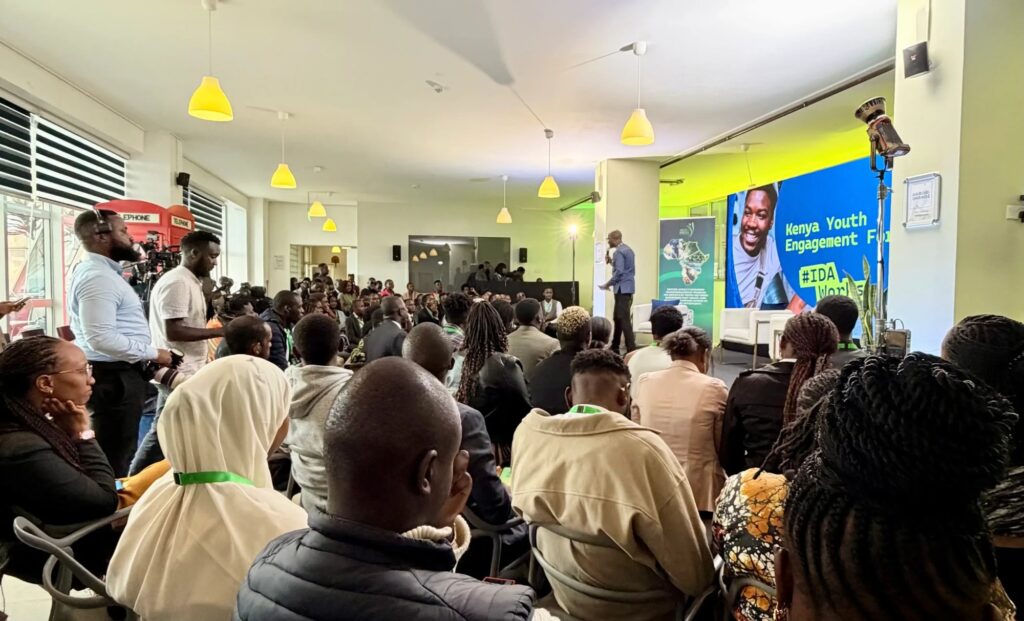
Africa’s median age is under 20. In Kenya, the majority of the population is under 35. At the Kenya Youth Engagement Forum this year in Nairobi, convened by Jacob’s Ladder Africa with the World Bank’s International Development Association, the framing was blunt and right: the conversation must move from consultation to co-creation.
Young Africans are already leading in climate tech, agriculture, activism, journalism, art and community organising. They’ll live with today’s climate decisions for longer than anyone in the room. Yet they’re too often treated as an audience to inspire rather than partners to work with.
What tokenism looks like
You can usually spot it:
- A separate youth session, scheduled when attendance is lowest.
- Young speakers invited without pay, while other speakers are paid.
- One young person on a panel of six senior officials, asked a single question at the end.
- Youth “consulted” on a strategy that’s already finished.
- No follow-up. Ever.
None of this is malicious. It’s habit. But it sends a message young people hear loud and clear: you’re decoration.
Seven ways to share real power
1. Give young people decision-making roles
Youth advisory boards are a start. Better: young people on selection panels, steering committees and boards with real votes. Ask: does their input change decisions?
2. Pay them
Young people are routinely expected to contribute expertise for free, for “exposure”. Pay youth speakers, facilitators, researchers and content creators fairly. It’s a matter of respect, and it opens the door to young people who can’t afford to work for nothing.
3. Put them on the main stage
Instead of a separate youth panel, put young experts on your main panels, next to the minister and the CEO, on substantive topics: finance, technology, policy. Their perspective changes the conversation.
4. Meet them where they are
Young people live on TikTok, Instagram, WhatsApp and X, and they listen to community radio and music. Speak their language, including humour and culture, without being patronising.
5. Invest in skills that unlock opportunity
Communication, negotiation, policy engagement, entrepreneurship and digital skills open doors. This is a big part of why I’m investing in teaching through ImpactComms.
6. Fund youth-led work
Small, flexible grants can transform a young organisation. Young climate entrepreneurs and organisers consistently cite access to finance as their biggest barrier.
7. Close the loop
The fastest way to lose young people’s trust is to ask for their input and then disappear. Report back on how their ideas shaped decisions, or explain honestly why they didn’t.
For event organisers specifically
- Include young people in designing the programme, not just filling it.
- Offer travel support and accessible pricing.
- Never schedule youth sessions in “dead” slots.
- Brief your moderator to bring young voices into every session, not just one.
- Build structured time for young people to meet decision-makers directly.
The opportunity
Organisations that genuinely engage young people become more relevant, more innovative and more trusted. They also build a pipeline of future leaders, partners and supporters.
At forums like the Mandela African Leadership Summit and the Kenya Youth Engagement Forum this year, the message from young people was consistent: we’re not the future. We’re here.
The question is whether the rest of us are ready to make room.
Read more about my work with WeAreTELL and young storytellers, see the events I’ve been part of, or get in touch.
Frequently asked questions
How can organisations avoid youth tokenism?
Give young people real decision-making power, pay them fairly, put them on main panels and report back on how their input shaped decisions.
Why does youth engagement matter in Africa?
Africa is the world’s youngest continent, and young people are already leading climate innovation, activism and entrepreneurship.
Cover photo: Blair Reznick / WeAreTELL archive

Impact communications strategist and climate storyteller. Managing Director of Reznick Communications and Founder & CEO of WeAreTELL.