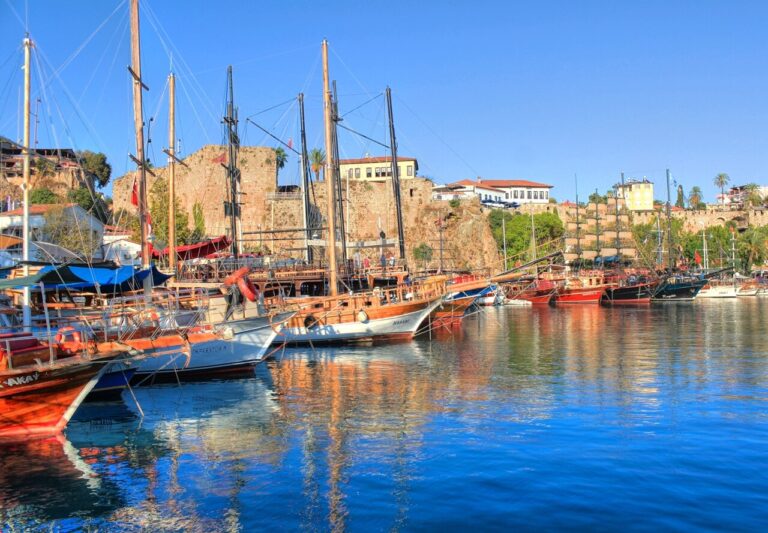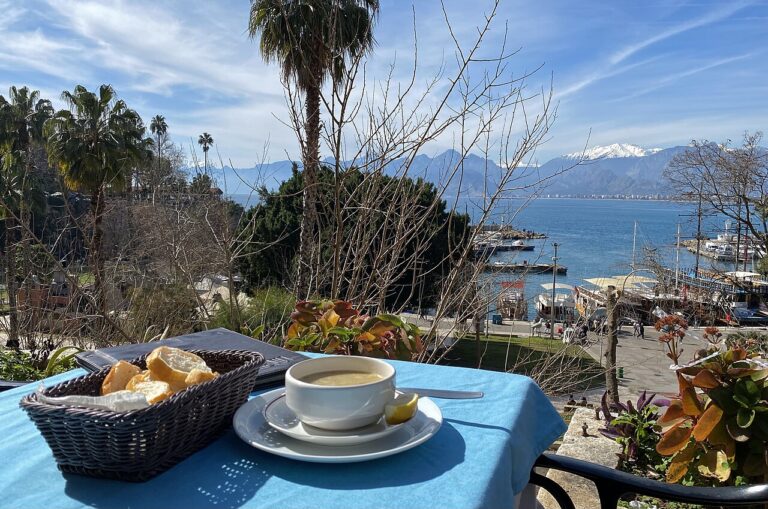
Belém is a city of humidity and rivers. It sits where the Amazon basin meets the Atlantic, a gateway to the largest rainforest on Earth. Its markets overflow with fruits most of the world has never tasted. Its rivers carry boats laden with açaí from upstream communities.
From today until 21 November, it’s also the centre of the climate world.
COP30 opens today, the first UN climate summit ever held in the Amazon. Brazil has billed it as the “implementation COP”: the moment the world shows it can deliver on a decade of promises since the Paris Agreement.
Whether you’re in Belém or following from Nairobi, here’s your guide.
Why the location matters
Holding a COP in the Amazon is a statement. The rainforest is one of the planet’s great climate regulators, storing vast amounts of carbon and generating rainfall far beyond its borders. Deforestation and degradation threaten to push parts of it toward a tipping point.
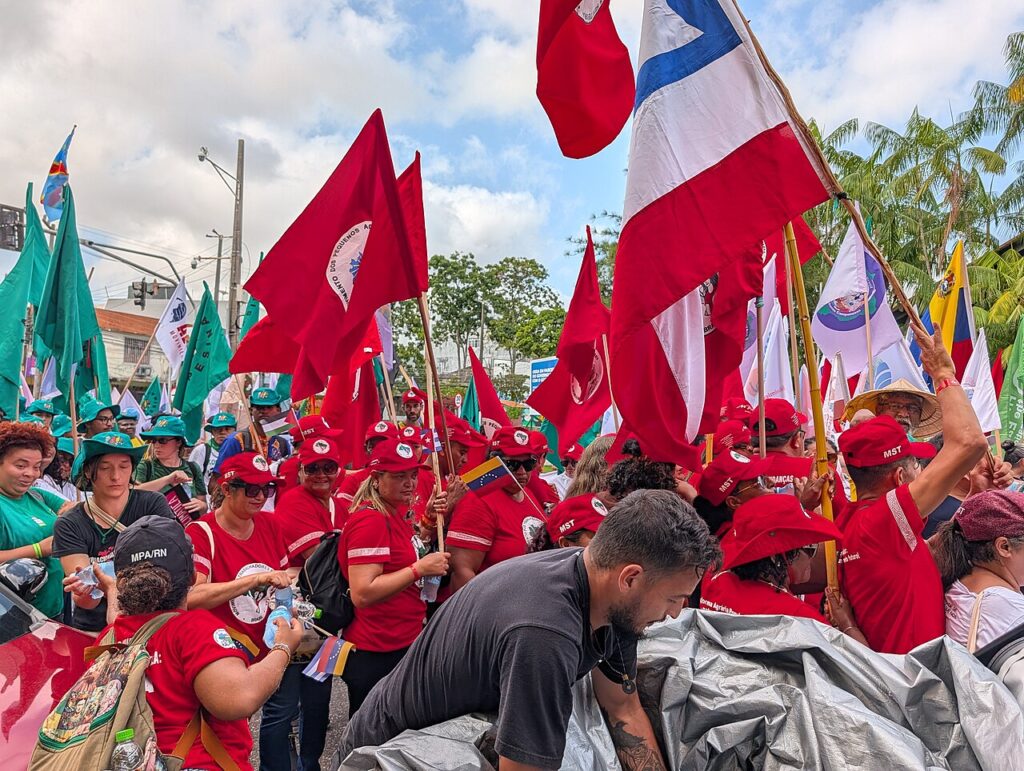
It also puts Indigenous peoples at the centre in a way no previous COP has. Indigenous communities are among the most effective guardians of forests, and the Belém streets have already filled with their marches and voices.
What’s on the table
New national climate plans
Countries are presenting new NDCs covering the period to 2035. UNEP’s Emissions Gap Report, published days ago, found that even full implementation points to roughly 2.3–2.5°C of warming. The central question: will Belém push countries to do more?
Adaptation
Negotiators are working on indicators for the Global Goal on Adaptation and, crucially for Africa, on adaptation finance.
Finance
Last year in Baku, countries agreed a new climate finance goal: at least US$300 billion a year by 2035, with an aspiration of US$1.3 trillion. Belém is about how to get there.
Just transition
How to protect workers and communities as economies move away from fossil fuels. Expect proposals for a dedicated mechanism.
Forests
Brazil is championing the Tropical Forest Forever Facility, a new fund designed to pay countries for keeping tropical forests standing.
Fossil fuels
Many countries want a roadmap to transition away from fossil fuels, building on the COP28 agreement in Dubai. Others will resist. Watch this closely.
Who to watch
The Brazilian presidency, which has promised an inclusive COP and wants a strong forest legacy.
The African Group of Negotiators, pushing for adaptation finance and recognition of Africa’s special needs and circumstances.
Small island states, the moral voice of 1.5°C.
Indigenous leaders, with unprecedented visibility in the Amazon.
The absence of the United States from the Paris Agreement process, after its withdrawal notice in January.
How to communicate COP30
COPs are designed to overwhelm. There are hundreds of side events, dozens of negotiating tracks and a news cycle that changes by the hour. Here’s how to cut through.
1. Pick two or three issues. Follow them properly. For most African organisations, adaptation and finance are the obvious choices.
2. Translate daily. Short, plain-language explainers beat long reports during the summit. One post a day explaining “what happened today and why it matters” is gold.
3. Use local voices. Interview delegates, negotiators, young people and community leaders from your region. Their perspective is what your audience needs.
4. Don’t call it on day three. COPs often look like they’re failing midway through. Deals come in the final hours, or after them.
5. Plan for after. The most valuable content often comes after the summit, explaining what was actually agreed. Book your debrief now.
A word on the city
One more thing: Belém isn’t just a backdrop. It’s a city of more than a million people living with the realities of the Amazon: its rivers, its heat, its economic pressures. The best COP30 stories will be the ones that remember that.
I’ll be following COP30 closely and sharing reflections here. Bookmark the articles page, and if you need a climate moderator for a COP side event or reaction panel, get in touch.
Frequently asked questions
When and where was COP30?
COP30 took place in Belém, Brazil, at the mouth of the Amazon, from 10 to 21 November 2025, running into overtime.
How should organisations communicate during a COP?
Pick two or three issues, publish short daily explainers, amplify local voices and avoid declaring success or failure before the final texts.
Cover photo: Xuthoria via Wikimedia Commons (CC BY-SA 4.0)

Impact communications strategist and climate storyteller. Managing Director of Reznick Communications and Founder & CEO of WeAreTELL.