Most Kenyans have never read the Climate Change Act. That’s understandable. Laws are dense, technical and written for lawyers.
But Kenya’s climate laws quietly shape enormous decisions: how the government plans for droughts and floods, how counties spend climate money, how carbon markets work, who is responsible for what and how citizens can hold them accountable.
Here’s a plain-language guide.
The foundation: the Constitution
Kenya’s 2010 Constitution provides the foundation. It recognises every person’s right to a clean and healthy environment, and places obligations on the state to ensure sustainable use of natural resources and to work toward maintaining tree cover.
That constitutional right matters. It gives citizens legal grounds to challenge environmental harm.
The Climate Change Act, 2016
The Climate Change Act of 2016 is the backbone of Kenya’s climate framework. It provides for:
- A National Climate Change Council, chaired at the highest level of government, to provide overall coordination.
- A Climate Change Directorate, as the lead technical agency.
- National Climate Change Action Plans, setting out priorities in five-year cycles.
- Duties for public bodies and the private sector to integrate climate change into their work.
- Public participation in climate decisions.
It also created a framework for climate finance, including the Climate Change Fund.
The 2023 amendment: carbon markets
In 2023, Kenya amended the Climate Change Act to regulate carbon markets. The amendment created a legal framework for carbon trading, including requirements for community benefit-sharing from land-based carbon projects. Detailed regulations followed.
The aim: attract investment in credible carbon projects while protecting communities and ensuring Kenya benefits from its natural carbon sinks.
County climate action: FLLoCA
Under Kenya’s devolved system, county governments play a central role in climate adaptation, because they’re responsible for many services affected by climate, such as agriculture, water and local infrastructure.
The Financing Locally-Led Climate Action (FLLoCA) programme, supported by the World Bank, has helped counties establish County Climate Change Funds, pass county climate legislation and channel money to community-prioritised projects. It’s one of the most significant efforts in Africa to get climate finance closer to the ground.
Kenya’s NDC
Under the Paris Agreement, Kenya submits Nationally Determined Contributions setting out its climate targets. Like many African countries, a large share of Kenya’s ambition is conditional on international support, reflecting both its low historical emissions and its development needs. (Here’s my guide to reading an NDC.)
Other laws that matter
Climate isn’t only governed by climate laws. Many others shape outcomes:
- Environmental Management and Coordination Act (EMCA): environmental impact assessments and environmental governance.
- Forest Conservation and Management Act: forests and water towers.
- Water Act: water resources management.
- Energy Act: including renewable energy.
- Physical and Land Use Planning Act: where and how development happens.
Kenya’s plastic bag ban of 2017 was issued under environmental law, and its 2020 ban on single-use plastics in protected areas also shows how environmental regulation can change behaviour.
Why it matters for citizens
Laws are only as strong as their implementation. Kenya’s climate framework gives citizens tools:
- Public participation: the right to be consulted on climate plans and projects.
- Access to information: the right to know how climate money is spent.
- The courts: the constitutional right to a clean and healthy environment can be enforced through legal action.
How to tell climate law stories
Make it human. A law is just words until it changes something in someone’s life. Show the county fund that built a water pan, or the community consulted on a carbon project.
Follow the money. Who controls climate funds, and where do they go?
Explain rights. Many citizens don’t know they have a constitutional right to a healthy environment.
Track implementation. Compare what the law says with what actually happens.
For organisations
If you work on climate in Kenya, understanding this framework is essential. It tells you who makes decisions, where money flows and how to engage. Your advocacy and communications will be sharper for it.
Climate policy communication is part of my work as a climate communicator. If you’re hosting a dialogue on climate governance or county climate action, I’d be glad to moderate.
Frequently asked questions
What is Kenya’s main climate law?
The Climate Change Act of 2016, which set up the National Climate Change Council, the Climate Change Directorate and national climate action plans.
Does Kenya regulate carbon markets?
Yes. A 2023 amendment to the Climate Change Act created a legal framework for carbon markets, including community benefit-sharing for land-based projects.
Do Kenyans have a constitutional right to a healthy environment?
Yes. The 2010 Constitution recognises every person’s right to a clean and healthy environment.
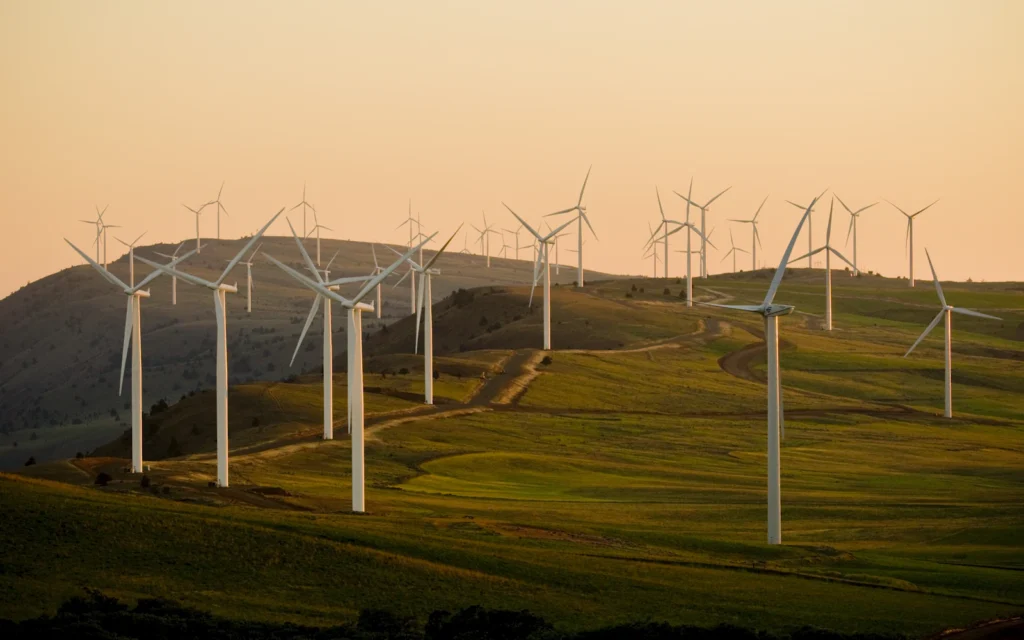
Cover photo: American Public Power Association on Unsplash
Join the conversation
No comments yet. Share your perspective below.
Leave a comment

Impact communications strategist and climate storyteller. Managing Director of Reznick Communications and Founder & CEO of WeAreTELL.